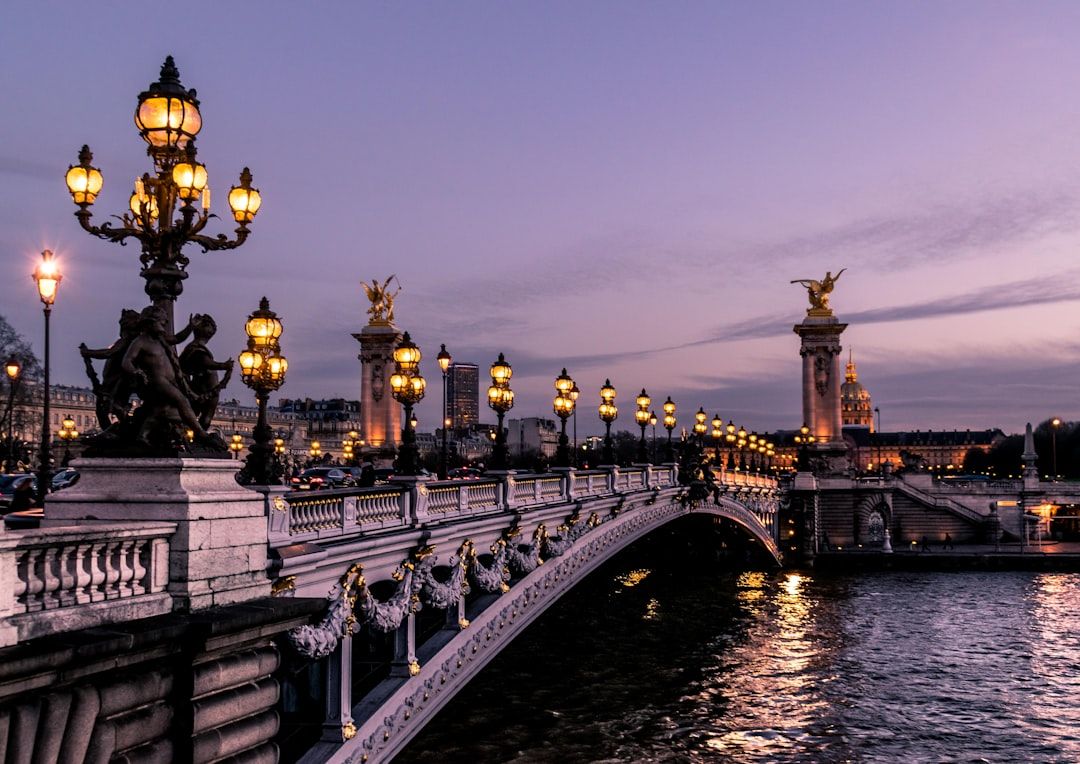
France receives more international visitors than any country on earth, and they concentrate in three places: Paris, Provence and the Riviera. The rest of the country is well-served, inexpensive and comparatively empty.
The Auvergne
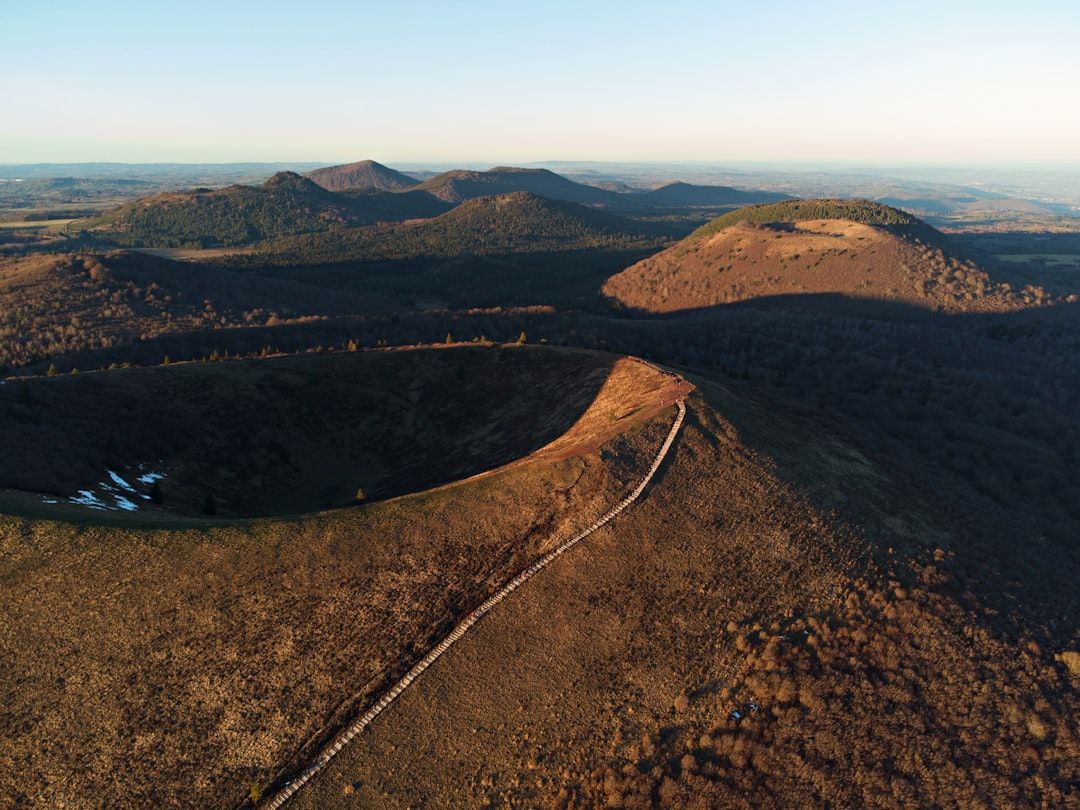
The volcanic middle of France — a chain of extinct cones running north to south, crater lakes, and the Sancy massif for serious walking.
The Puy de Dôme is reached by a rack railway and gives a view along the whole volcanic chain. Le Puy-en-Velay has chapels built on volcanic plugs and is the starting point of one of the main Santiago pilgrimage routes.
Thermal spa towns, some of the best cheese in France — Saint-Nectaire, Cantal, Bleu d'Auvergne — and accommodation at a fraction of Provence prices.
Access: Clermont-Ferrand by TGV from Paris in about 3h30, then a car.
The Jura
The wooded limestone range along the Swiss border, with waterfalls, gorges and the vineyards around Arbois producing vin jaune, a distinctive oxidative white unlike anything else in France.
Excellent walking and, in winter, the best cross-country skiing in the country at a small fraction of Alpine prices.
Access: Besançon or Dole by TGV, then a car.
The Cévennes
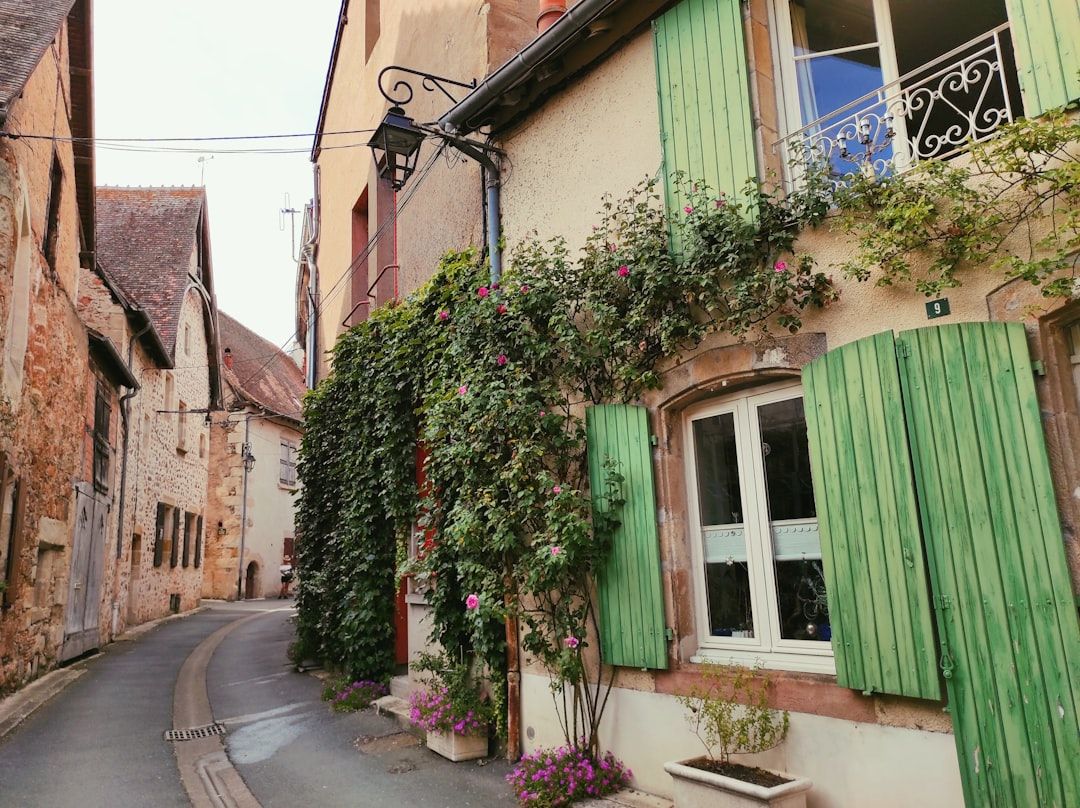
A national park of granite and schist ridges in the southern Massif Central, terraced and chestnut-wooded, and the setting of Stevenson's Travels with a Donkey — the GR70 follows his route and is a superb week's walking.
The Tarn gorges nearby are dramatic and the Millau viaduct crosses one of them.
Access: Montpellier or Nîmes, then a car.
Inland Brittany
The coast gets visitors; the interior does not. The Brocéliande forest with its Arthurian associations, medieval towns like Josselin and Dinan, and the Nantes-Brest canal towpath which makes an easy multi-day cycle.
Cheaper than the coast and far quieter, with the same food.
Corsica's interior
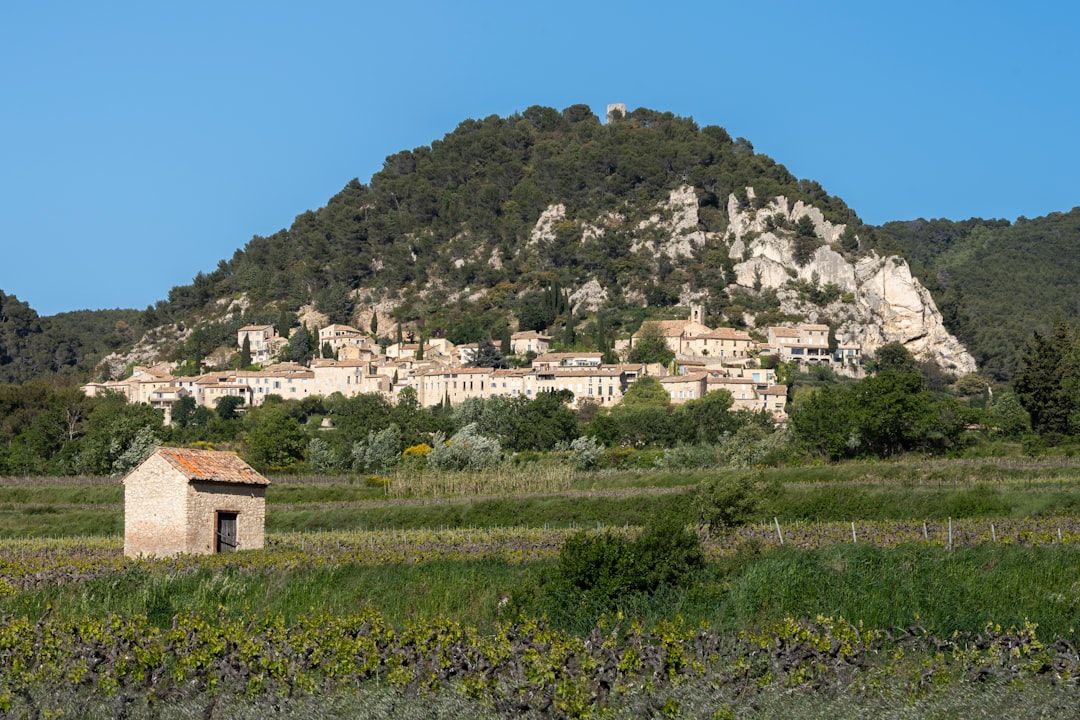
The coast is well known. The mountains are not — and the GR20 that crosses them is widely considered the hardest long-distance path in Europe, fifteen days across granite ridges.
Shorter sections are accessible without committing to the whole thing, and the mountain villages of the Niolo and Castagniccia see almost no visitors.
Practical notes
You will need a car in all of these. The TGV reaches the regional cities well; rural bus networks are sparse and drop further outside school terms. Rent locally from Clermont-Ferrand, Besançon, Rennes or Montpellier rather than driving from Paris.
Prices are markedly lower. A chambre d'hôtes in the Auvergne runs €55–85 against €120–200 for the equivalent in the Luberon, and a menu du jour is €14–18.
Mid-August closes things. Rural France takes its own holiday then, and small restaurants and shops shut for two or three weeks. May, June and September are better in every respect.
Sunday and Monday closures are near-universal outside cities. Plan food shopping around them.
Why bother
Beyond the absence of crowds: these regions are where the food culture is least adapted for visitors, prices reflect local wages, and a week costs roughly what four days on the Côte d'Azur does. The trade is that nothing is arranged for you and some French is genuinely useful.