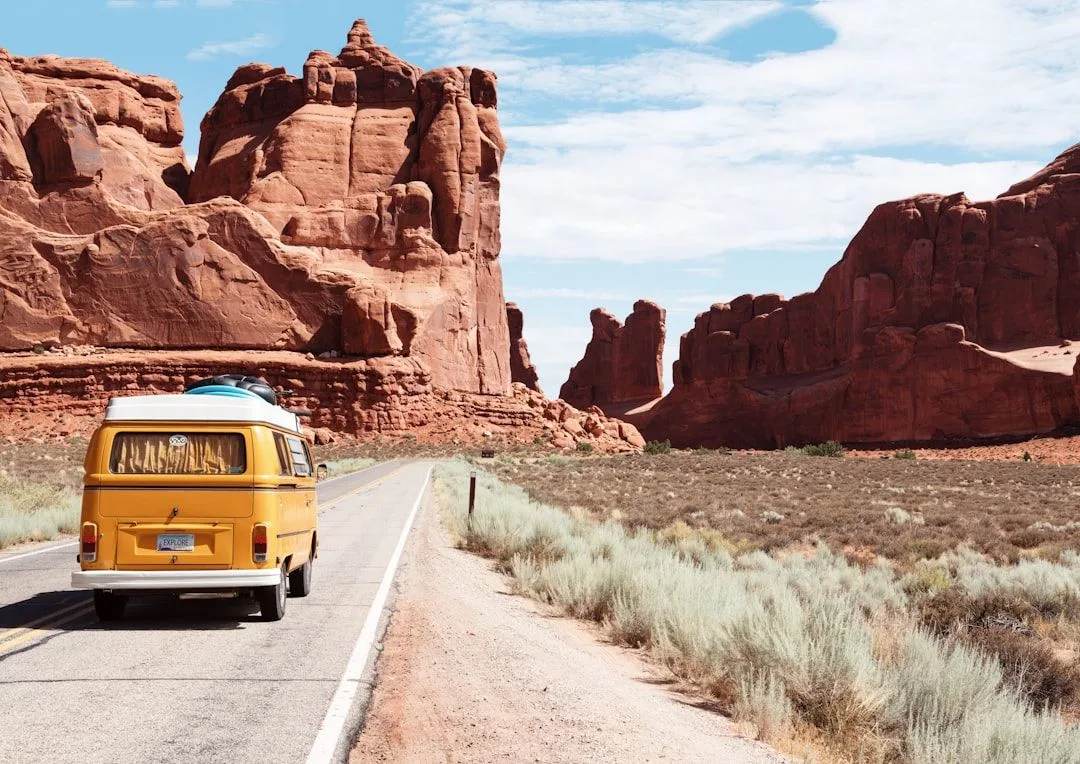
Portugal is a coastal country in the visitor imagination — Lisbon, Porto, the Algarve, Sintra. Almost all of it happens within thirty kilometres of the Atlantic. The interior is a different country: emptier, poorer, considerably cheaper, and where the oldest settlements are.
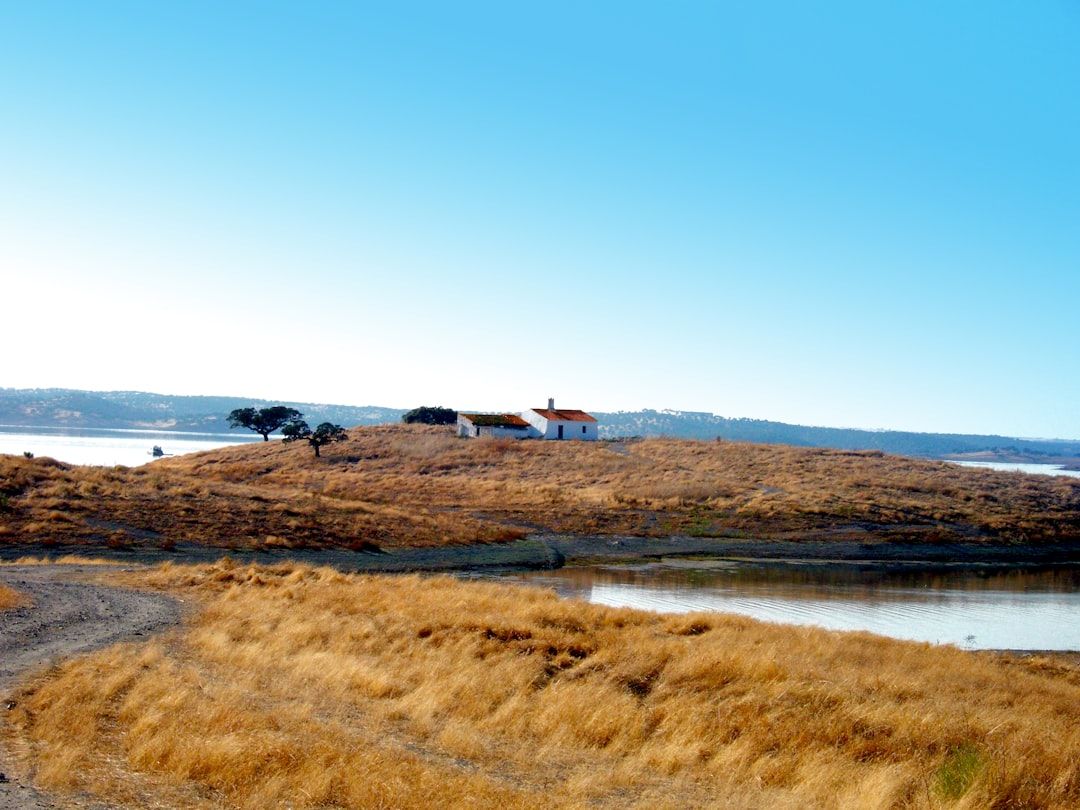
The Alentejo
The big empty middle-south: cork oak, wheat, long straight roads and marble towns.
Évora is the anchor — a walled town with a Roman temple in the middle and the Capela dos Ossos, a chapel lined with the bones of five thousand monks.
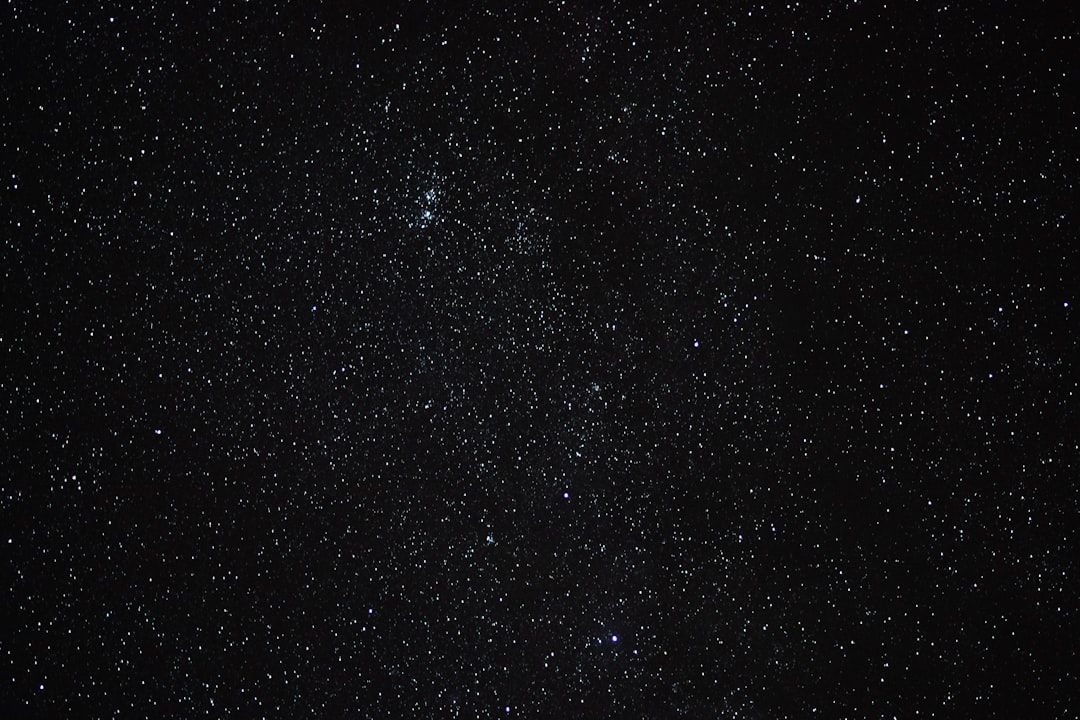
Monsaraz, a small walled village on a hill above the Alqueva reservoir. The area is a certified dark-sky destination and the observatory sessions are worth planning a night around.
Estremoz, Borba and Vila Viçosa — the marble towns, where the pavements and doorframes are made of the stone the region exports.
Summer here is severe, regularly over 40°C. Spring and autumn are the seasons.
The historical villages
Twelve fortified granite villages in the Beira interior near the Spanish border, restored under a national programme and almost entirely unvisited.
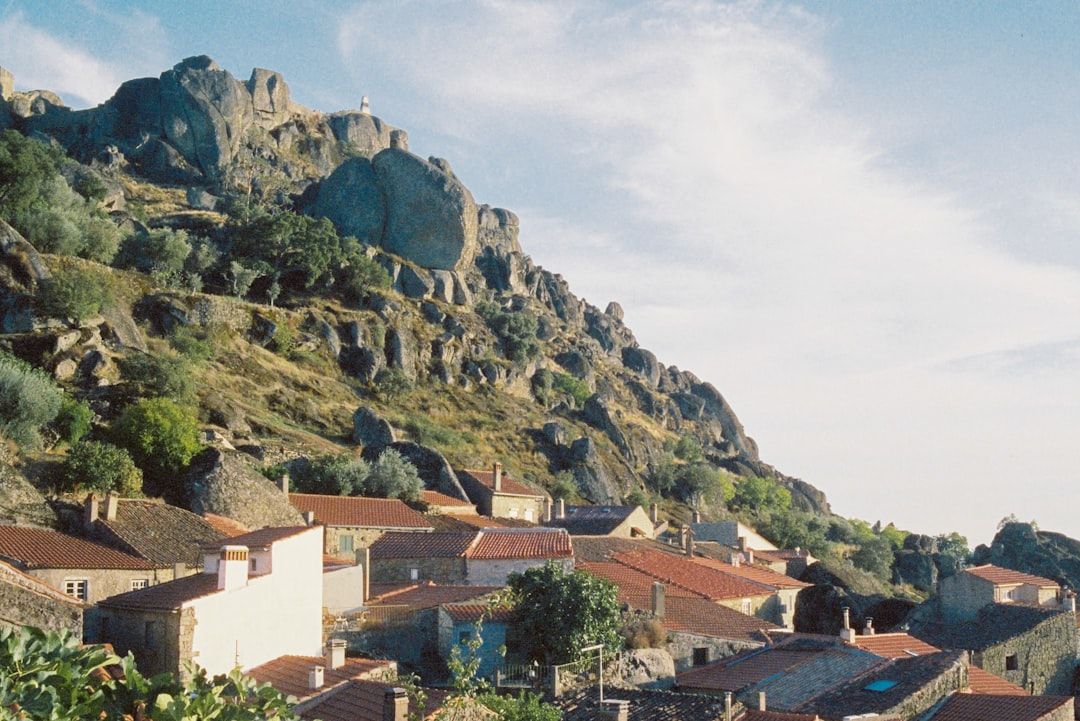
Monsanto is the extraordinary one — houses built among, under and against enormous granite boulders, with a ruined castle above. It was once voted the most Portuguese village in Portugal and it looks like nowhere else.
Piódão, schist houses stacked on a mountainside with blue-painted window frames. Sortelha and Marialva, walled and largely empty. Idanha-a-Velha, built on a Roman town.
A car and three days covers several of them.
Serra da Estrela
Portugal's only serious mountain range, rising to 1,993 metres, with glacial valleys, granite plateaus and the country's single ski station.
Good walking, dramatically empty, and the source of Queijo Serra da Estrela — a soft sheep's cheese eaten by cutting off the top and spooning it out, which is among the best cheeses in Europe.
Covilhã and Manteigas are the bases. Reachable by train to Covilhã, then a car.
The upper Douro
Everyone takes the train to Pinhão. Fewer continue upriver to Vila Nova de Foz Côa, where an open-air Palaeolithic rock art site — thousands of engravings along the valley, 25,000 years old — was discovered during dam construction and saved by cancelling the dam.
Visits are by guided jeep and must be booked. It is a UNESCO site and it receives a tiny number of visitors.
Practical
| Interior | Lisbon / Algarve | |
|---|---|---|
| Guesthouse double | €45–75 | €90–160 |
| Menu do dia | €8–12 | €12–18 |
| Car hire, per day | €30–50 | |
You need a car. Trains reach Évora and Covilhã; the villages do not have useful bus service.
Portugal's electronic tolls are barrier-free with no cash option on many motorways. Request an active transponder at the rental desk.
Sundays and August close a lot of rural restaurants. Check before relying on a village having somewhere open.
Less English than on the coast, and some Portuguese goes a long way.
Season
April to June and September to October. Interior summer is genuinely too hot for the Alentejo, and winter in the Serra da Estrela and the northern villages is cold, wet and — given how rarely Portuguese buildings are heated — colder indoors than out.