
Rome is unusually specific about what it demands from a visitor physically. Two things — the paving and the dress codes — cause more small ruined days here than anywhere comparable, and both are trivially avoidable.
The cobbles
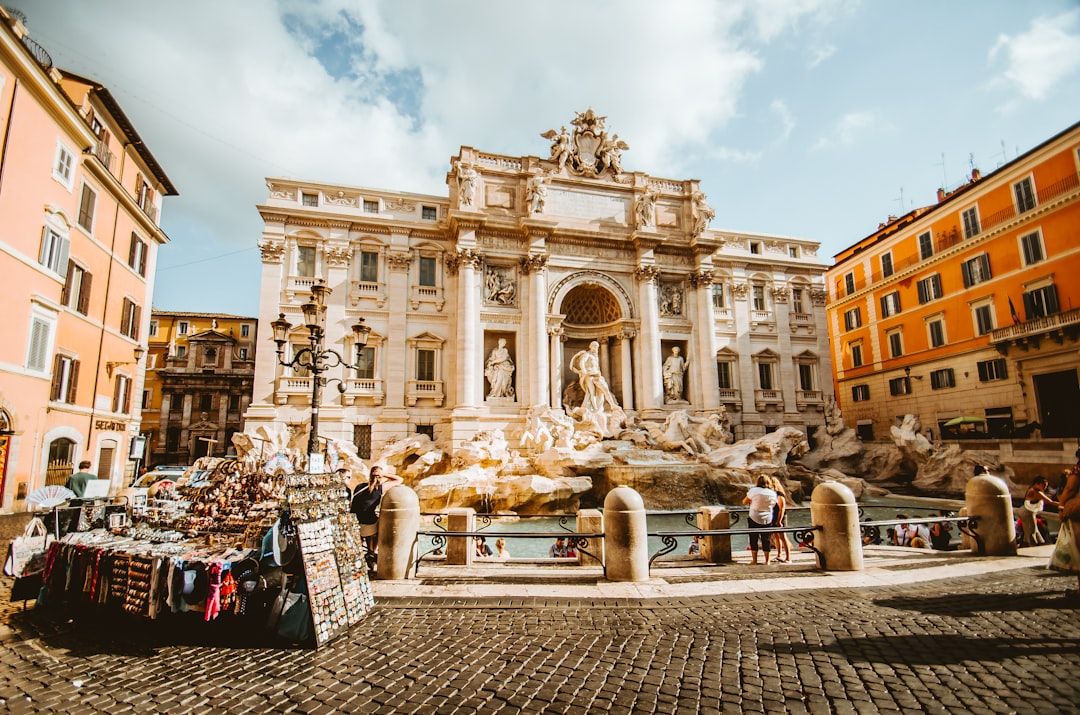
Rome's historic centre is paved with sampietrini: small squared basalt blocks, uneven, worn smooth over centuries, and properly slippery in rain.
A normal sightseeing day here covers twelve to fifteen kilometres on that surface. The combination of distance, uneven footing, summer heat and swelling feet is why blisters and turned ankles are the most common minor injury among visitors.
Bring broken-in shoes with grip and cushioning. Not new ones. Not smooth-soled leather. Not flimsy sandals with no support.
This is genuinely the single most useful thing to get right about a Rome trip.
The dress code
St Peter's Basilica and the Vatican Museums enforce covered shoulders and knees, for everyone. People are turned away daily in July, having queued.
Many other Roman churches apply the same standard less strictly but do apply it.
A large light scarf or sarong is the solution — it packs to nothing, covers shoulders or wraps as a skirt, and works for men and women. Far more practical than carrying long trousers in 35°C heat.
Water: use the nasoni
Rome has around 2,500 nasoni — small cast-iron street fountains running continuously — supplied by the same aqueduct system that feeds the city. The water is clean, cold and free.
Carry a refillable bottle. In summer this saves several euros a day and, more importantly, removes the need to find a shop when you are already overheating in the Forum.
There is a trick to them: block the spout with a finger and water jets from a small hole on top, making them drinkable without a bottle.
Heat and timing
July and August routinely exceed 35°C. The Roman Forum and Palatine Hill have almost no shade, and a midday visit there is punishing rather than enjoyable.
The local pattern works: sightseeing before 11am, the middle of the day indoors — a museum, a long lunch, the hotel — and back out after 4pm. The Forum in the late afternoon is both cooler and better lit.
A hat with a brim rather than a cap, and sun cream, matter more here than the latitude suggests.
Bags and pickpockets
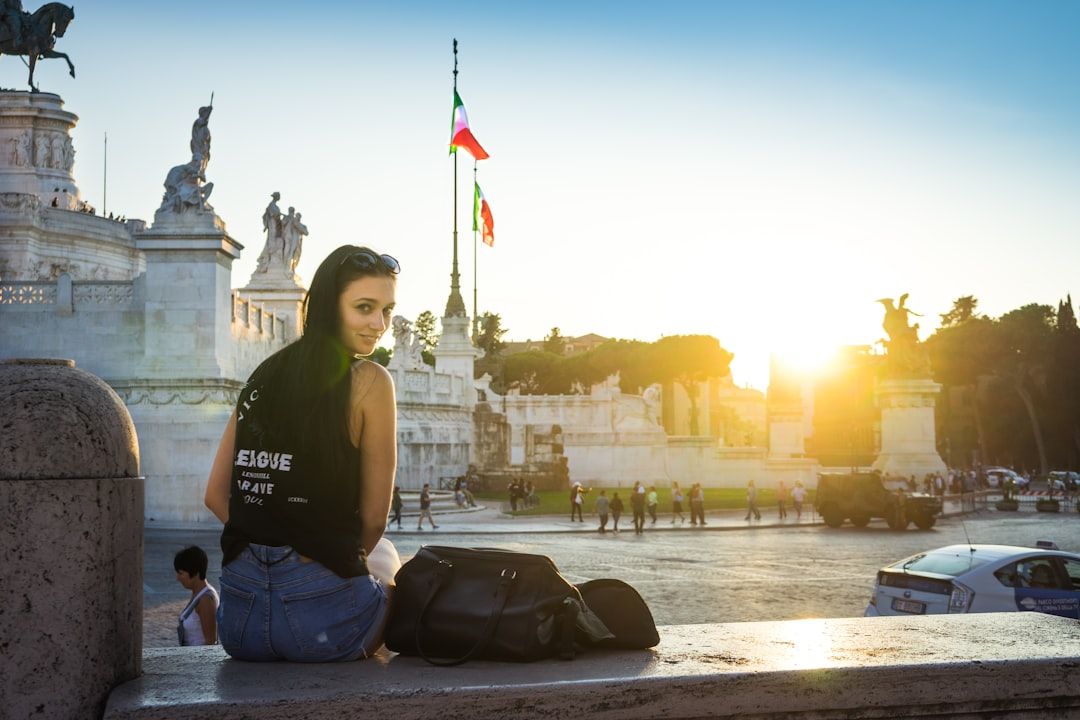
Rome has an organised pickpocketing problem concentrated on the metro line A, the 64 and 40 buses to the Vatican, Termini station and the crowds at the Trevi Fountain.
A bag that zips fully and can be worn in front is the practical answer. Nothing in back pockets. Phone not on the café table.
The common distraction techniques are a map held up to you, a petition to sign, or something spilled on your clothes. All are the setup rather than the theft.
What not to bother with
A power adapter beyond type C/F — Italy uses standard European plugs at 230V, though some older sockets are the three-pin Italian type L, and a cheap universal adapter covers it.
Formal clothes, unless you have booked somewhere specific. Rome is smart-casual and comfortable.
Excessive luggage generally. Cobbled streets and apartment buildings without lifts make a large wheeled suitcase a genuine burden, and Termini's platforms involve stairs.
The short list
Broken-in shoes with grip. A packable scarf for shoulders and knees. A refillable bottle. A zipping bag worn in front. A brimmed hat in summer. That covers essentially everything Rome specifically asks of you.