When to Visit Tokyo, Japan
The best time to visit Tokyo, Japan, depends on what you want to experience. Tokyo is a city that is alive year-round, but certain times are more ideal for specific activities and weather conditions. For a general overview, the spring (March to May) and autumn (September to November) seasons are often considered the best, with mild temperatures and fewer crowds. However, if you have a specific interest, such as cherry blossoms or fall foliage, you might want to plan your trip accordingly.
Cherry Blossoms: March to April
The cherry blossom season, or hanami, is a spectacular sight in Tokyo. The flowers typically begin to bloom in late March and peak in early April. This is a time when the city is transformed into a sea of pink, with parks and public spaces filled with people enjoying the blossoms. Some of the best places to see cherry blossoms in Tokyo include Ueno Park, Shinjuku Gyoen, and Yoyogi Park. Expect crowds and a festive atmosphere, especially in the evenings when the trees are lit up.
Fall Foliage: October to November
Autumn in Tokyo is a experience, with the city's trees turning into a palette of reds, oranges, and yellows. The peak of the fall foliage usually occurs in late October and early November. Areas like Shinjuku Gyoen National Garden, Rikugien Garden, and Ueno Park offer stunning views. However, the leaves can be short-lived, so it's important to check the forecasts and plan your visit accordingly.
Summer: July to August
Summer in Tokyo can be hot and humid, with temperatures often reaching 30°C (86°F) or higher. Despite the heat, there are still plenty of things to do. The city hosts several summer festivals, including the Yoyogi Park Summer Festival and the Tokyo Summer Festival at Odaiba. These events feature music, food, and cultural performances. However, expect larger crowds and higher prices for accommodations and attractions.
Winter: December to February
Winter in Tokyo can be cold, with temperatures dropping to around 0°C (32°F) at night. While the city is not known for snow, there are still opportunities to enjoy the season. The Tokyo Snow Festival at the Odaiba Seaside Park features ice sculptures and a winter market. Additionally, the city's hot springs, or jigoku, offer a way to warm up. However, the winter season can be quite expensive, with higher accommodation rates and longer lines at popular attractions.
Getting to Tokyo
Tokyo is well-connected to the rest of Japan and the world. The city's international airport, Haneda Airport, is located just 20 minutes from the city center, while Narita International Airport is approximately 60 minutes away. Both airports offer a range of transportation options, including trains, buses, and airport shuttles. The Shinkansen, or bullet train, offers fast and convenient connections to other parts of Japan.
Accommodation
Tokyo offers a wide range of accommodation options, from budget-friendly hostels to luxury hotels. Some popular neighborhoods for staying include Shinjuku, Shibuya, and Ginza. Shinjuku is known for its nightlife and shopping, while Shibuya is a vibrant area with many attractions. Ginza is a more upscale option with high-end shops and restaurants. Be sure to book your accommodation in advance, especially during peak seasons.
How to Get Around
Tokyo's public transportation system is extensive and efficient. The subway network, known as the Tokyo Metro and Toei Subway, covers much of the city and is a convenient way to get around. The JR Yamanote Line is also a good option, looping around the city center. Taxis are readily available and can be hailed on the street or booked through an app. Ride-sharing services like Grab and Uber are also popular. Bicycles can be rented and are a fun way to explore the city, but be aware that riding on sidewalks is not allowed.
Top Attractions
Shibuya Crossing?
No visit to Tokyo is complete without experiencing Shibuya Crossing, the world's busiest pedestrian crossing. The intersection is a vibrant hub of activity, with people rushing to and fro. The best time to visit is during the evening rush hour, when the lights turn red and the crossing becomes a spectacle of movement. Nearby, the Hachiko statue is a must-see, commemorating a loyal dog who waited for his owner for years.
Senso-ji Temple?
Senso-ji is Tokyo's oldest temple and a popular destination for both locals and tourists. The temple is located in Asakusa and is easily accessible by train. The main attraction is the Kaminarimon, or Thunder Gate, which leads to the temple's inner sanctum. The surrounding area is lined with souvenir shops and food stalls, making it a lively and colorful experience.
Meiji Shrine?
For a glimpse into Tokyo's spiritual side, head to the Meiji Shrine. Located in the heart of the city, the shrine is dedicated to Emperor Meiji and Empress Shoken. The shrine's grounds are lush and serene, with a forested area that is perfect for a peaceful walk. The shrine is surrounded by a 170,000-square-meter forest, and visitors can enjoy the tranquility of the surroundings.
Food and Drink
Street Food?
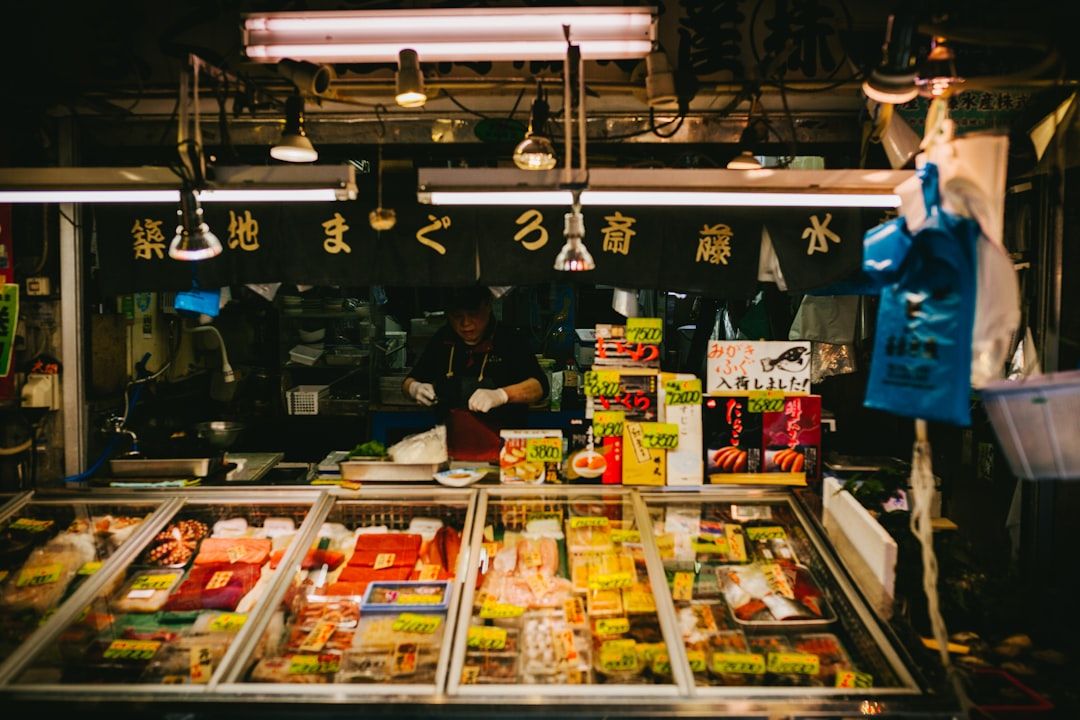
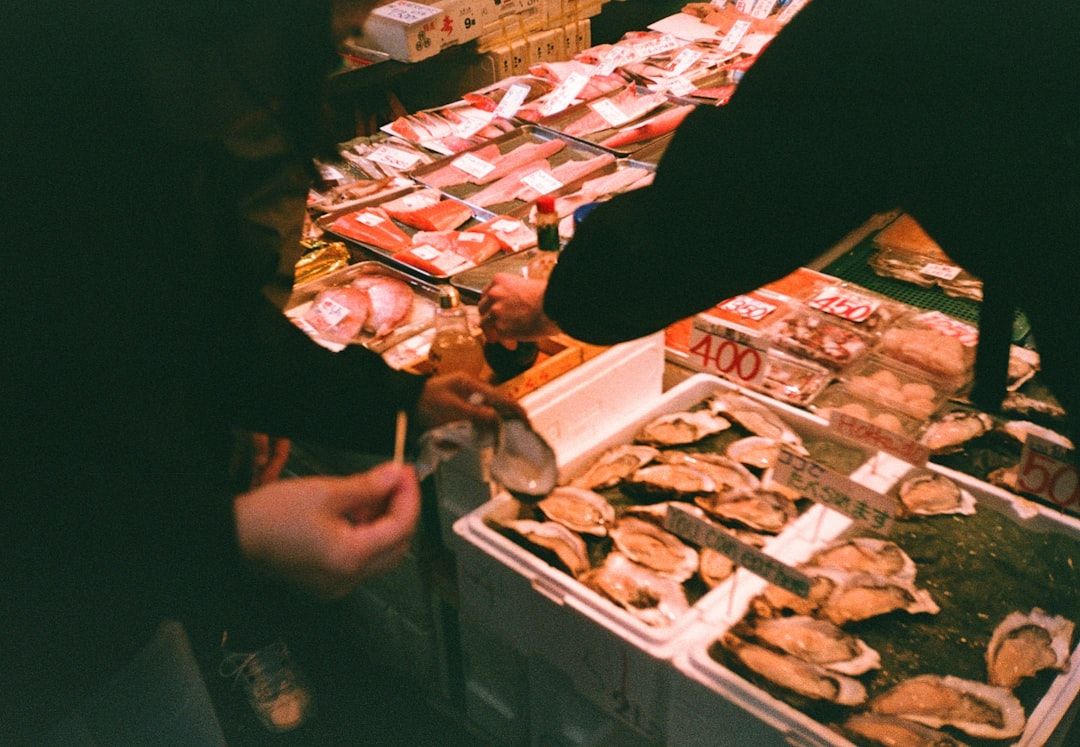
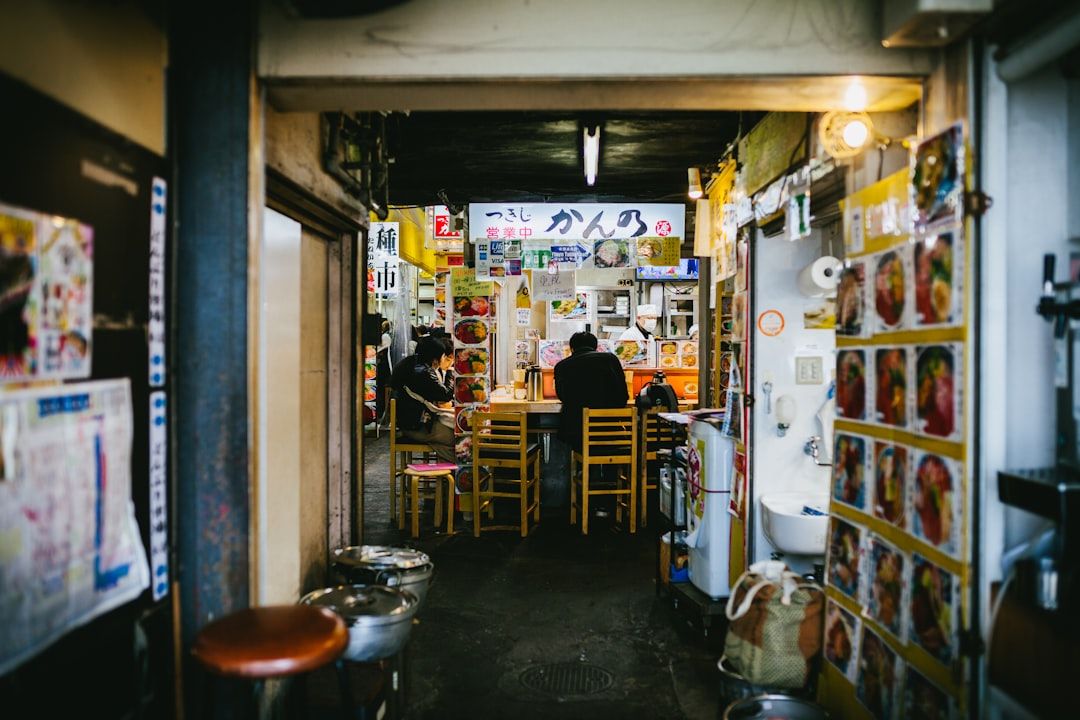
Tokyo is a city of street food, with vendors selling everything from savory ramen to sweet mochi. Some popular street food spots include the Tsukiji Outer Market, where you can try fresh sushi, and the Yanaka Ginza area, known for its traditional snacks. Expect to pay around 500 to 1,000 yen for a meal, depending on the vendor and the type of food.
High-End Dining?
For a more upscale dining experience, Tokyo offers a wide range of high-end restaurants. The city is home to some of the world's best sushi bars, with prices ranging from 5,000 to 50,000 yen per person. Reservations are highly recommended, especially for popular spots like Sukiyabashi Jiro and Sushi Saito. For a more casual yet refined experience, try a kappo restaurant, which offers a tasting menu of small dishes.
What flights LON to TYO actually cost
Prices below are live fares from Aviasales. We may earn a commission if you book through these links, at no extra cost to you.
Cheapest dates to fly
| Departure | Price | Airline | Stops | |
|---|---|---|---|---|
| 12 Sept 2026 | €550 | CZ | 1 stop | Check |
| 3 Mar 2027 | €573 | CZ | 1 stop | Check |
| 18 Nov 2026 | €582 | CZ | 1 stop | Check |
| 20 Feb 2027 | €588 | CZ | 1 stop | Check |
| 5 Nov 2026 | €596 | CZ | 1 stop | Check |
Live fares, checked 26 Aug 2026. Prices change daily.
Booking in Tokyo: where to look
We may earn a commission from the links below, at no extra cost to you. We only list services we would use ourselves.
- Tiqets — Instant mobile tickets for museums and landmarks
- Klook — Attraction tickets and passes, strong in Asia
- KKday — Local experiences and day tours
- Airalo — eSIM data the moment you land, no SIM swap
FAQ
How much does it cost to visit Tokyo?
The cost of visiting Tokyo can vary significantly depending on your activities and accommodation. A budget-friendly trip might cost around 100,000 to 150,000 yen per day, while a more luxurious trip could cost 200,000 yen or more. Accommodation, food, transportation, and attractions all contribute to the overall cost.
What is the best way to get around Tokyo?
Tokyo's public transportation system is the most efficient and cost-effective way to get around. The subway, train, and bus networks are extensive and cover most of the city.