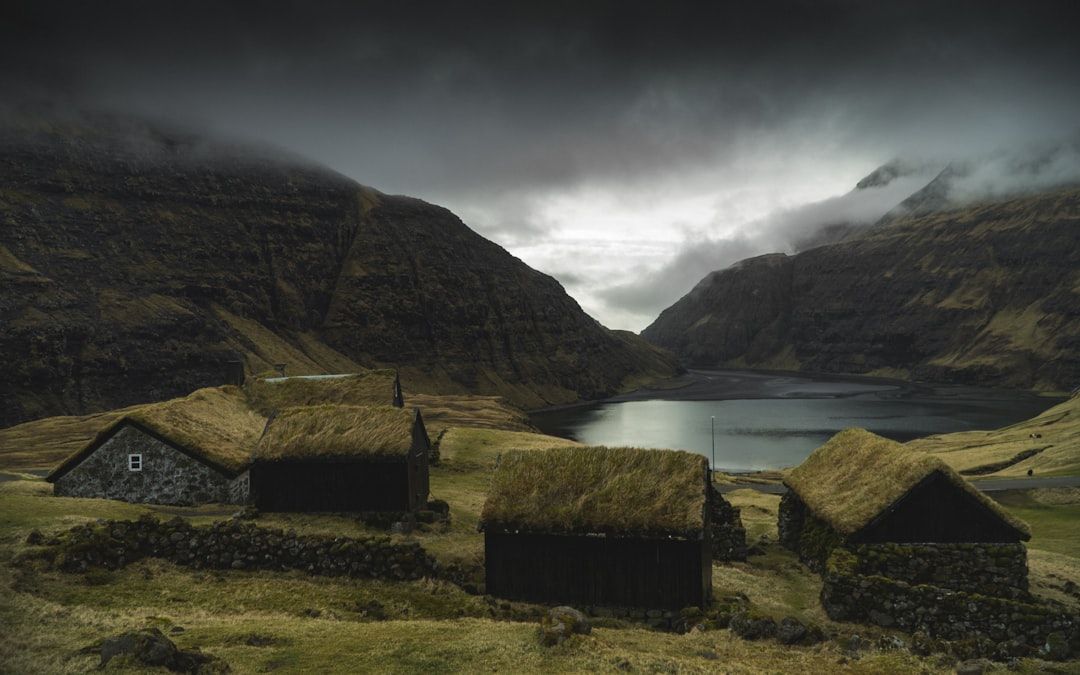
The Faroes are eighteen islands of near-vertical basalt in the North Atlantic, halfway between Iceland and Norway, with more sheep than people and weather that arrives from every direction at once. They are also the most rewarding place I know to travel slowly, because there is no alternative — the weather simply will not let you run a schedule.
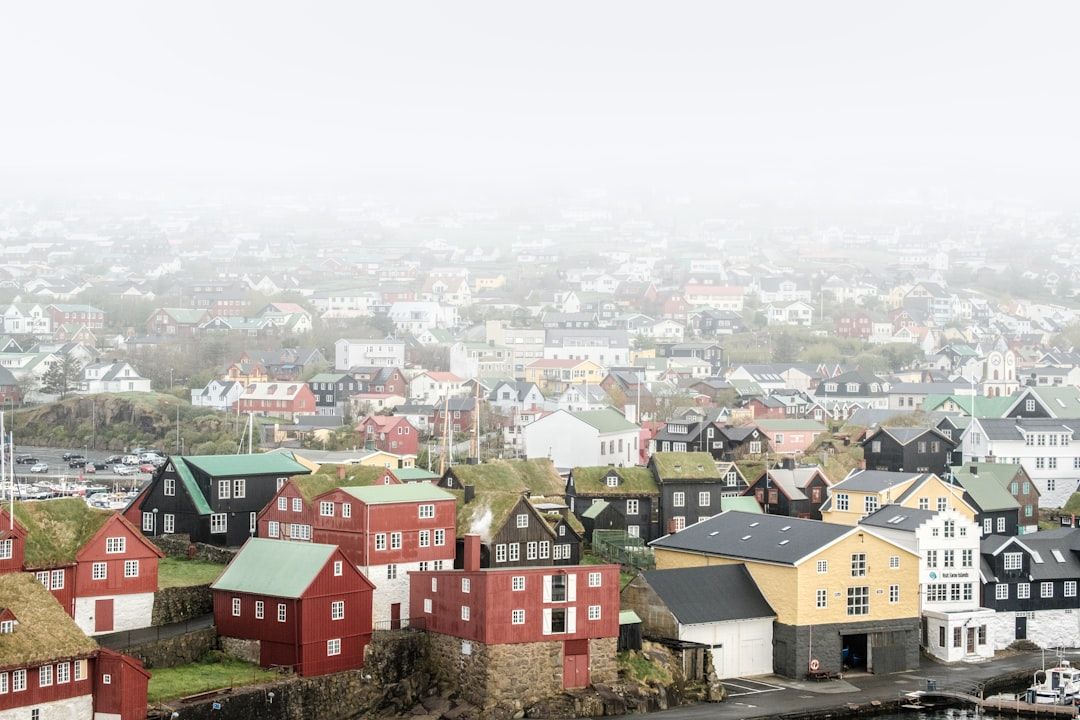
The weather is the itinerary
This is the thing to internalise before booking anything. A Faroese day can produce bright sun, thick fog, driving rain and enough wind to make walking difficult, in that order, before lunch. Forecasts are directional rather than precise.
The practical response is to plan by opportunity rather than by day. Keep a list of what you want to see, check the sky in the morning, and go to whichever one the weather permits. Visitors who book a hike for Tuesday and a boat for Wednesday spend the week disappointed; visitors who keep both on a list and take whichever is possible see more.
Build in spare days at the end, especially before a flight. Cancellations are routine rather than exceptional.
Getting around
The islands are connected by an unusual amount of infrastructure for their population — bridges, causeways, and a series of tunnels including undersea ones linking the main islands. One features a roundabout beneath the seabed, decorated, which is a very Faroese thing to have built.
Driving is straightforward and the distances are short. Many tunnels are single-lane with passing bays and a clear priority rule; learn which direction yields before you meet someone.
Ferries and a helicopter service reach the smaller outer islands. The helicopter is publicly subsidised, absurdly cheap, and intended for residents — which makes it one of the more remarkable journeys available anywhere, if you can get a seat.
Hiking, and paying for it
The walking is the reason to come. Sea cliffs, hanging valleys, and the optical illusion at Sørvágsvatn where a lake appears to sit hundreds of metres above the ocean.
Understand the access position. Most land is privately owned, and a number of the well-known routes now charge a fee or require a local guide. This is not a tourist trap; it funds path repair and manages erosion on ground that is fragile and, in places, genuinely dangerous. Check the specific route in advance.
Take the danger seriously. Cliff edges are unfenced, the grass is slick, fog arrives without warning, and the wind near an edge can be strong enough to move you. People die here most years, and almost always in fog or wind.
Tórshavn
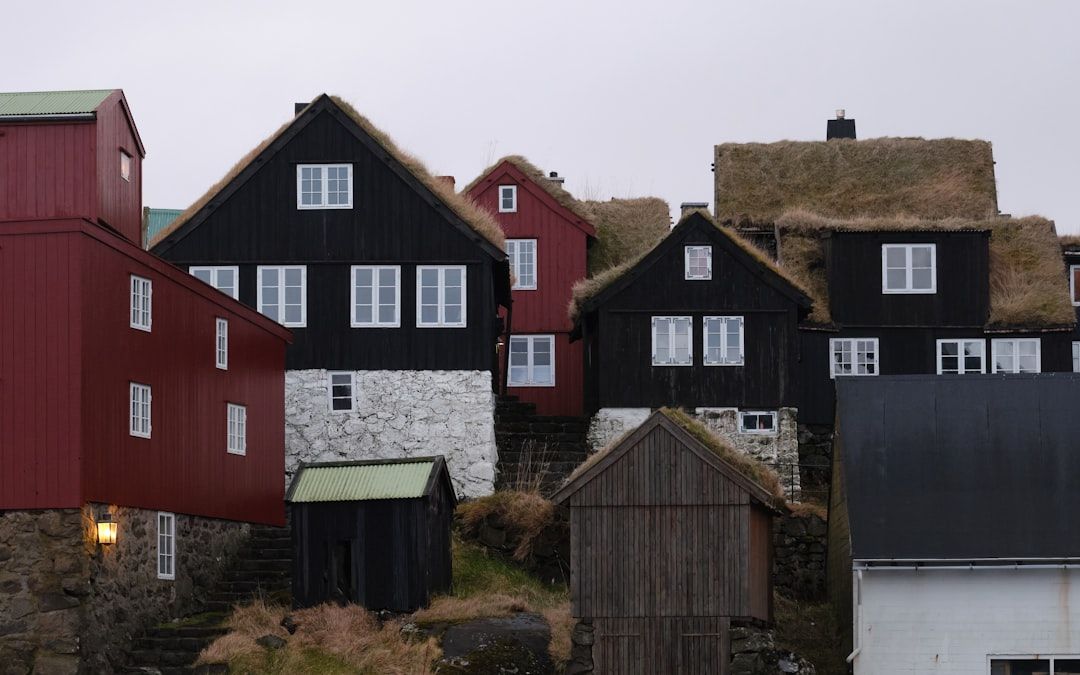
One of the smallest capitals in Europe and worth two unhurried days. The old quarter of Tinganes has turf-roofed timber houses on a rocky promontory where the parliament has met, in some form, for over a thousand years.
The food scene is disproportionate to the size of the place, and ranges from fermented mutton — an acquired taste, honestly — to some of the best fish you will eat anywhere. Book anywhere notable well ahead; capacity is tiny.
When to go
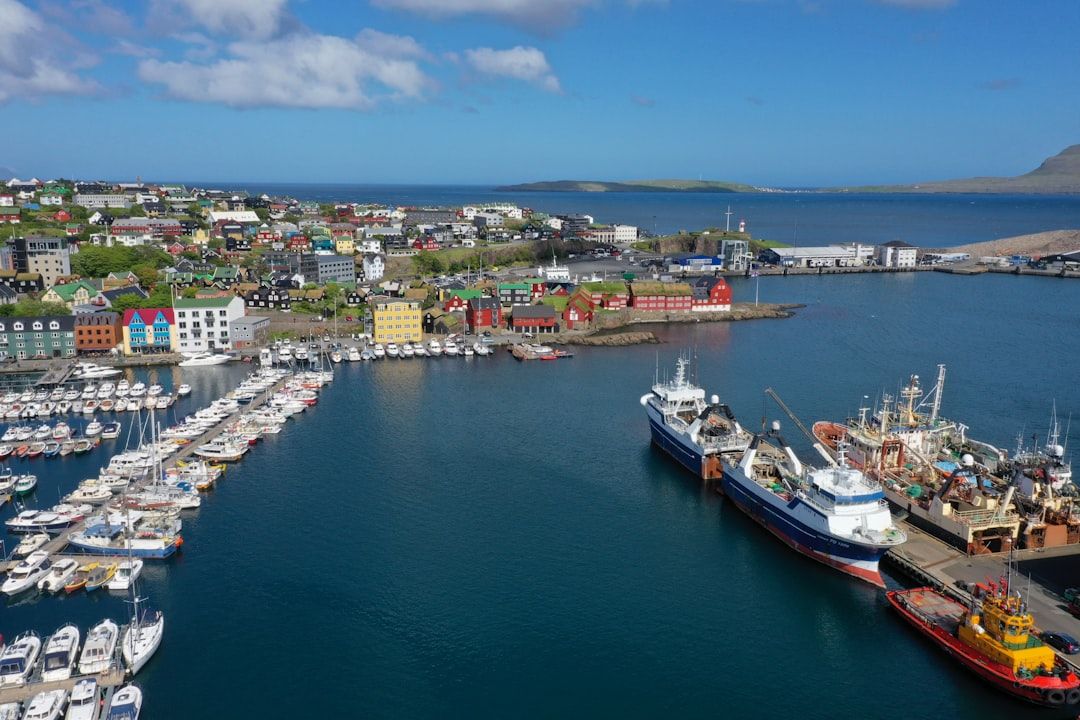
May through September for daylight and open services. June and July give light that barely ends, which suits a place where you may need to wait until nine in the evening for the fog to lift off a ridge.
Winter is short-dayed, wild and nearly empty. It is compelling if you have flexibility and a tolerance for being weathered in for two days. It is a poor choice for a fixed five-day trip.
What to bring
Proper waterproofs, not a showerproof jacket — wind-driven rain finds every weakness. Boots with grip for wet grass, which is more slippery than rock. Layers, since the temperature barely moves but the wind chill does.
And patience, which is the actual equipment. The Faroes reward people who are content to sit in a café for three hours waiting for a cloud to lift, and frustrate everyone else.