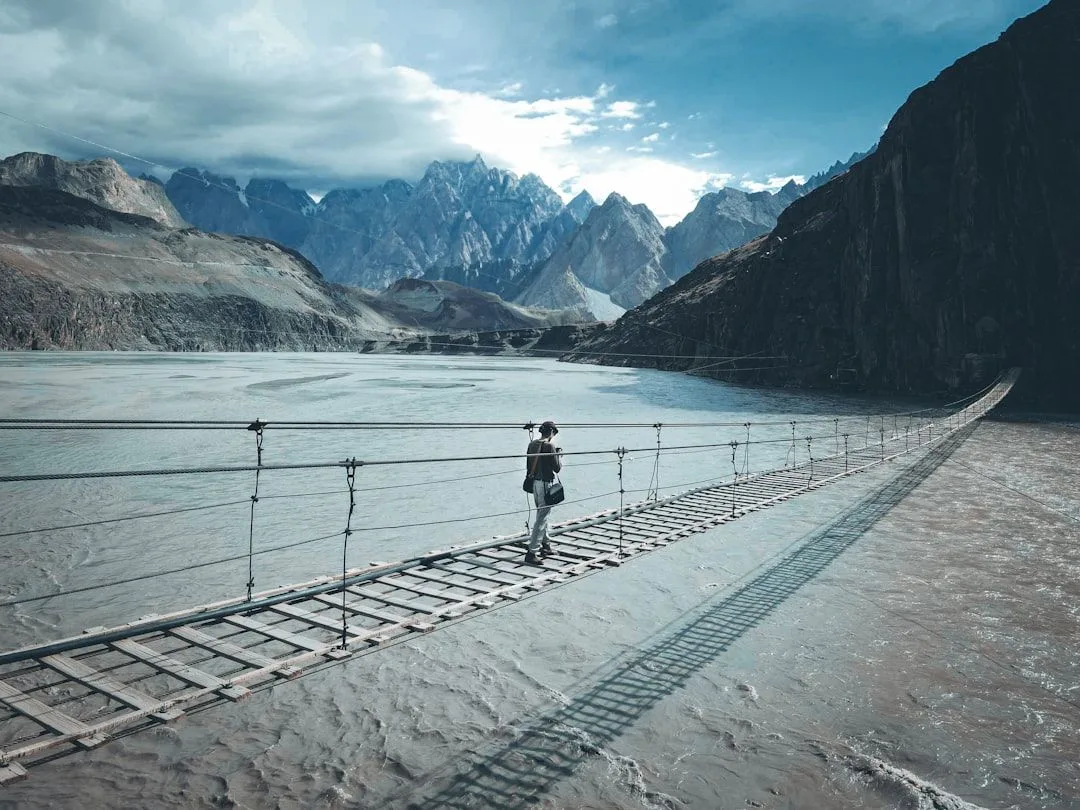
Namibia is among the best self-drive countries in the world — empty roads, extraordinary landscape, and infrastructure just developed enough to make it straightforward. The one thing that goes wrong here goes wrong repeatedly, and it is the gravel.
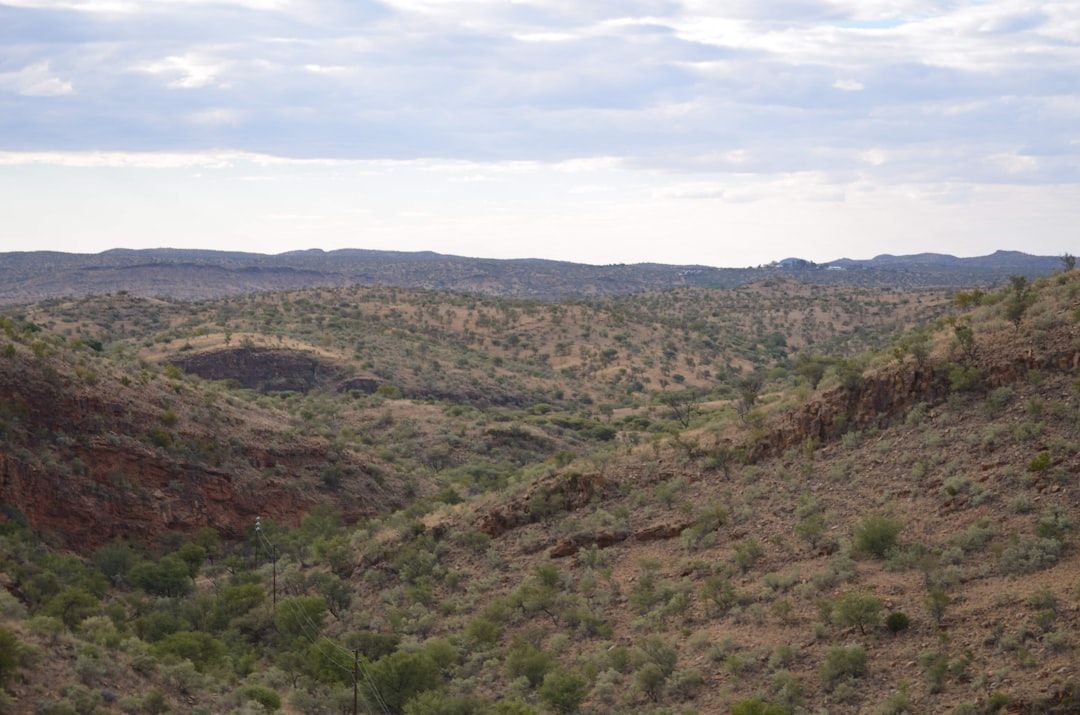
Gravel road driving
Most of Namibia's road network outside the main tarred routes is graded gravel. It looks like a wide, well-maintained road and it behaves nothing like tarmac.
The overwhelming majority of tourist accidents here are single-vehicle rollovers, caused by driving at tarmac speeds and then steering or braking suddenly. A high-clearance vehicle at 100 km/h on loose surface has very little margin.
The rules that prevent it:
80 km/h maximum, regardless of the posted limit or how good the road looks.
Slow well before corners and avoid braking mid-turn.
Reduce tyre pressure slightly for gravel — the rental company will advise the figure.
Slow down for oncoming vehicles and move left; flying stones crack windscreens constantly.
Two spare tyres for the remote sections. Punctures are routine rather than unlucky.
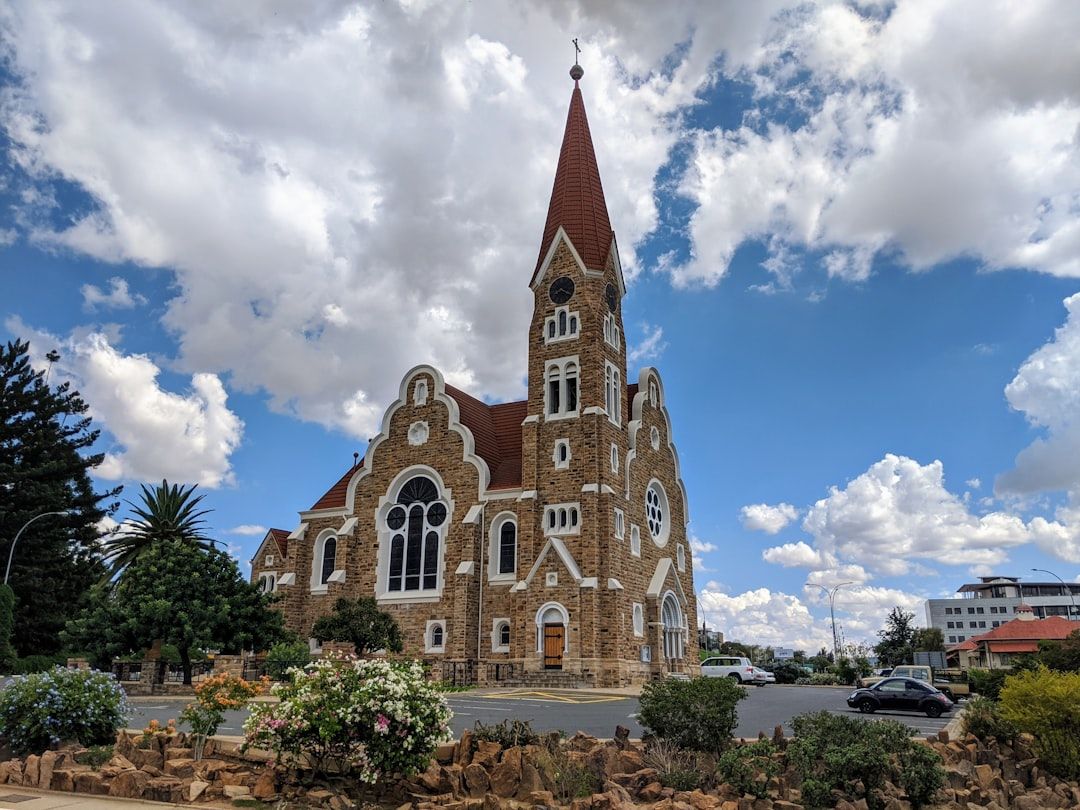
The route
| Leg | Time | Surface |
|---|---|---|
| Windhoek → Sesriem | ~5h | Tar then gravel |
| Sesriem → Swakopmund | 5–6h | Gravel |
| Swakopmund → Damaraland | 4–5h | Gravel |
| Damaraland → Etosha | 4–5h | Gravel |
| Etosha → Windhoek | 5–6h | Mostly tar |
Two weeks makes this comfortable. Ten days works at pace.
Sossusvlei — the red dunes at Sesriem. Stay inside the park gate, which grants entry an hour before those staying outside, and be at Dune 45 or Big Daddy at sunrise. By 10am it is 35°C and the light is flat.
Swakopmund — a German colonial town where the desert meets the cold Atlantic, with fog most mornings. The Skeleton Coast runs north from here.
Damaraland — desert-adapted elephants, ancient rock engravings at Twyfelfontein, and the emptiest driving in the country.
Etosha — the salt pan and the game. Unlike most African parks you can self-drive here, and the waterholes at Okaukuejo and Halali are floodlit at night, which means sitting in a chair watching rhino come to drink.
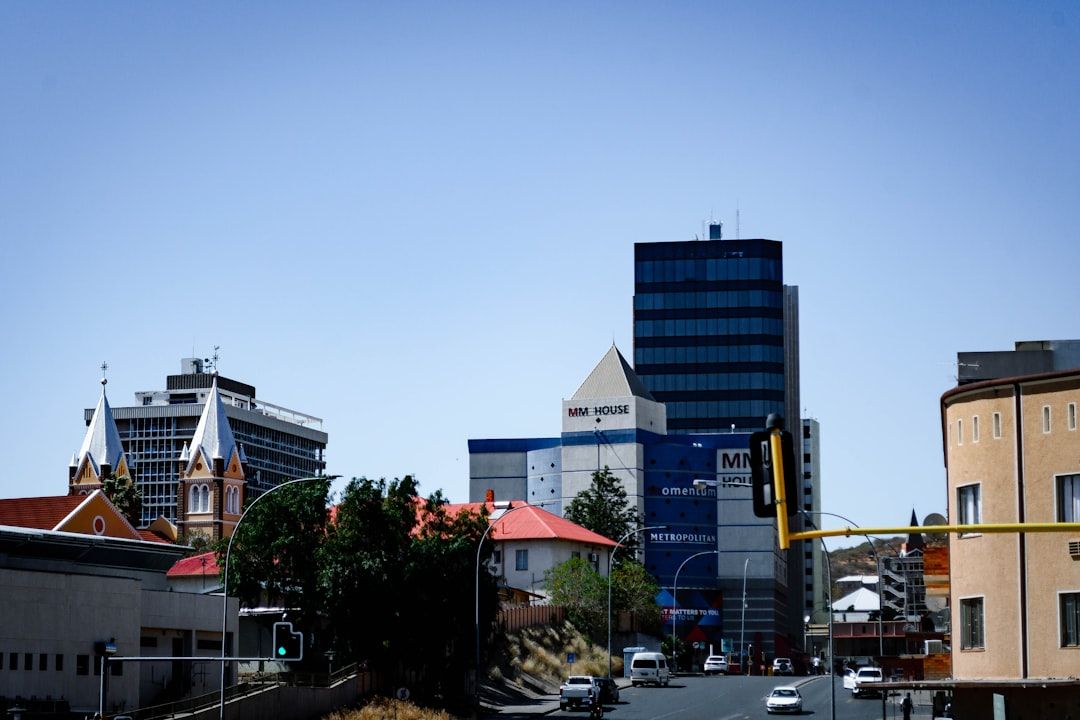
Fuel, water and range
Fuel stations can be 200 km apart and some are cash-only or occasionally dry. Fill up whenever you pass one, regardless of how much is in the tank. Carry 5–10 litres of drinking water per person per day in the vehicle, and do not rely on mobile signal, which is absent across large sections.
Tell someone your route if you are going into Damaraland or the Kaokoveld.
Camping
Namibia's campsites are excellent and are how most people travel here. A pitch runs N$200–400, often with a private ablution block, braai area and shade.
A 4x4 with a rooftop tent is the standard rental and combines vehicle and accommodation — around N$1,200–2,000 a day, which compares well against a car plus lodges.
Book campsites inside the national parks well ahead; Sesriem and Etosha's rest camps fill months in advance in high season.
Season
May to October is the dry season: cooler, and game concentrates at waterholes in Etosha, making sightings much better. Nights in the desert drop close to freezing in June and July, which surprises people packing for Africa.
November to April is hotter with occasional heavy rain that can make gravel roads temporarily impassable. Green, empty and cheaper.