Most people see the Norwegian fjords from a large ship, which is the most expensive way to do it and rarely the best. Norway runs public ferries as ordinary transport, and those boats cross the same water to places the cruises do not stop.
The independent route
The classic sequence, all on public transport:
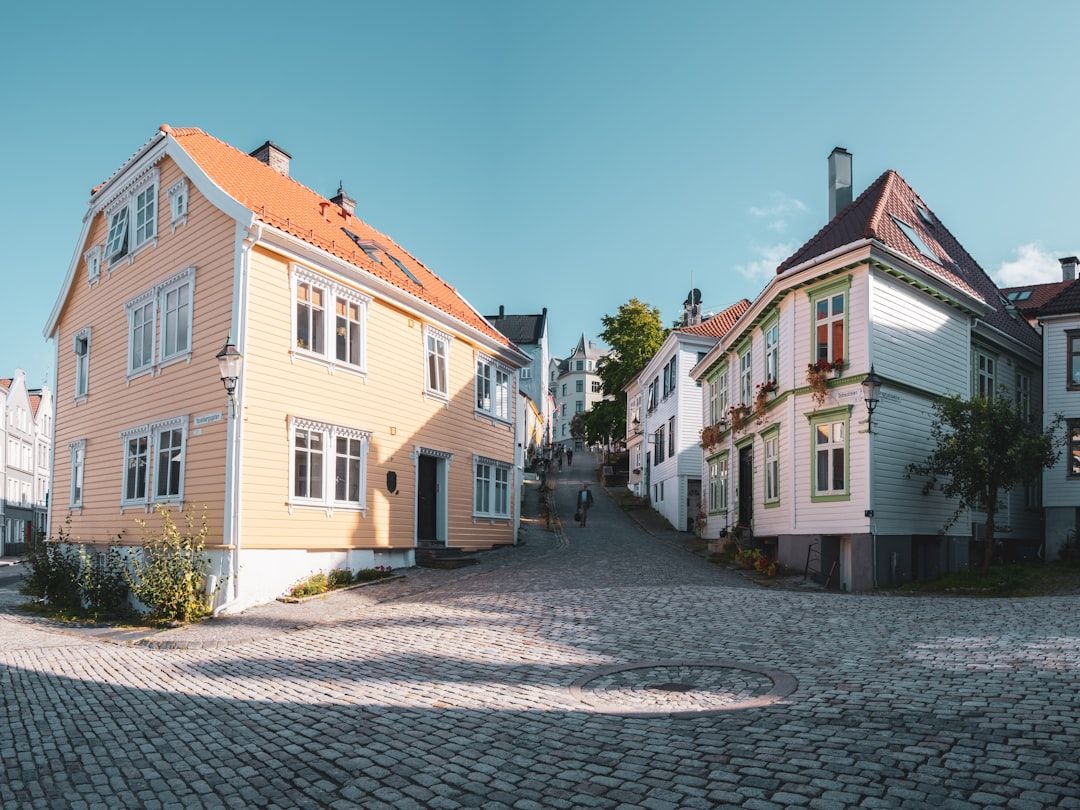
Bergen — the fjord capital, with the Bryggen wharf and a working fish market. Two days.
The Bergen railway to Myrdal, then the Flåm line down to the fjord — twenty kilometres descending 865 metres through tunnels and switchbacks. It is genuinely one of the great short rail journeys and it is a scheduled public service.
Flåm to Gudvangen by ferry through Nærøyfjord, the narrowest arm of the Sognefjord and a UNESCO site. Public ferries run this route.
Onward to Voss and back to Bergen, or north toward Geiranger.
This is essentially the packaged "Norway in a Nutshell" itinerary, and you can assemble it yourself from individual tickets for meaningfully less than the bundled price.
Where to go instead of Geiranger
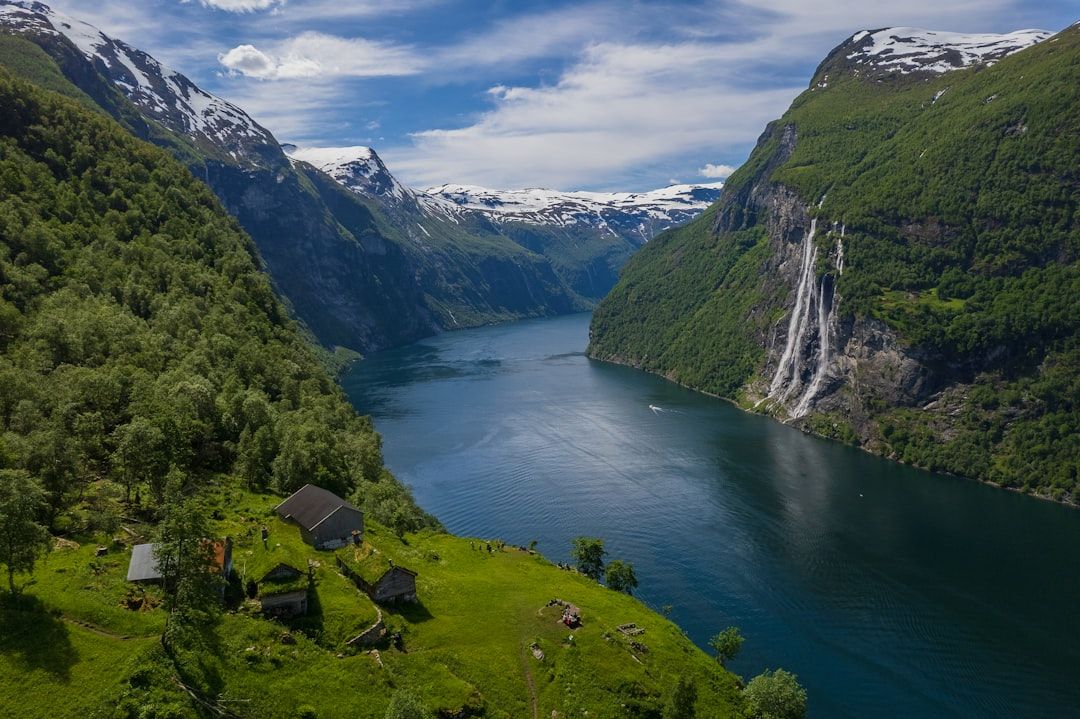
Geirangerfjord is famous, spectacular and receives large cruise ships daily in summer. It is worth seeing and it is not quiet.
Quieter alternatives with comparable landscape:
Hardangerfjord — orchards, waterfalls, and the Trolltunga hike. Closer to Bergen and far less crowded.
Lysefjord, near Stavanger — Preikestolen, the flat cliff plateau 600 metres above the water, is a four-hour return walk and one of the best day hikes in Europe.
The Lofoten islands, well north — fishing villages beneath sharp peaks, and the best landscape in Norway if you have the time to reach it.
Camping changes the budget
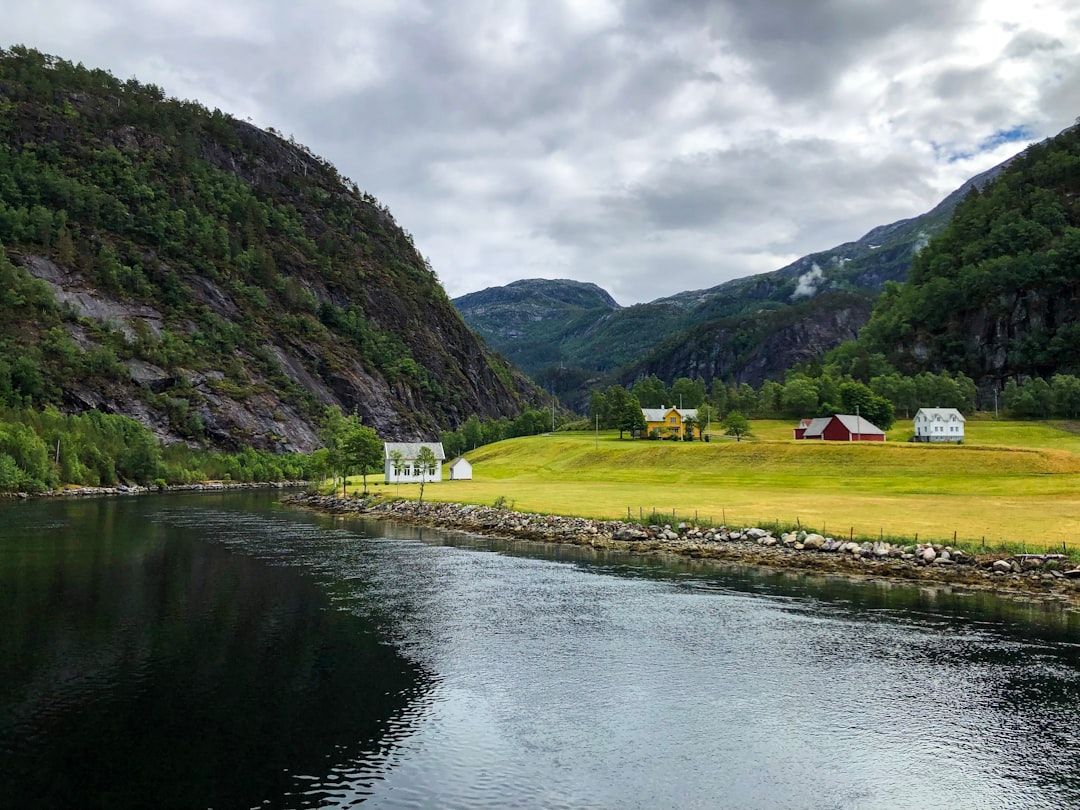
Norway's allemannsretten, the right of public access, permits walking and camping on uncultivated land including private property, subject to staying 150 metres from any inhabited house, leaving no trace, and moving on after two nights.
This is not a loophole — it is a long-standing legal right and it is used by Norwegians constantly. For a traveller it transforms the cost of a trip in the most expensive country in Europe.
Campsites with facilities are also widely available at €15–25 for a tent pitch, and many have hytter, small cabins, at €60–100 which undercut hotels substantially.
Costs
| Item | Cost |
|---|---|
| Hostel dorm | NOK 350–550 |
| Campsite pitch | NOK 150–250 |
| Cabin (hytte) | NOK 600–1,100 |
| Restaurant main | NOK 250–400 |
| Supermarket meal | NOK 60–100 |
| Flåm railway | NOK 450–600 |
Self-catering is the difference between €70 and €130 a day. Norwegian supermarkets — Rema 1000, Kiwi, Coop — are reasonable; restaurants are not.
Alcohol is heavily taxed and sold through the state Vinmonopolet for anything above low-strength beer.
Season
June to August for the fjords, with long daylight — above the Arctic Circle the sun does not set at all in midsummer. May and September are quieter, cooler and still workable, with some ferry and mountain road services reduced.
Winter closes most fjord touring but opens the northern lights season in Tromsø and Lofoten, which is a different trip entirely.
Rain is the constant. Bergen averages over 200 wet days a year, and a fjord trip planned around sunshine will be disappointed. Waterproofs, and the acceptance that low cloud on the water is its own kind of view.