Patagonia rewards slowness and punishes ambition, because the distances are continental and the weather decides your days rather than your schedule. Most disappointing trips here are ones that tried to see both countries in ten days.
The two sides
Chilean Patagonia is centred on Torres del Paine, reached via Puerto Natales. It is the more dramatic landscape and the more organised experience — park entry fees, booked refugios or campsites on the W and O circuits, shuttle buses within the park, and a system you have to engage with months ahead in high season.
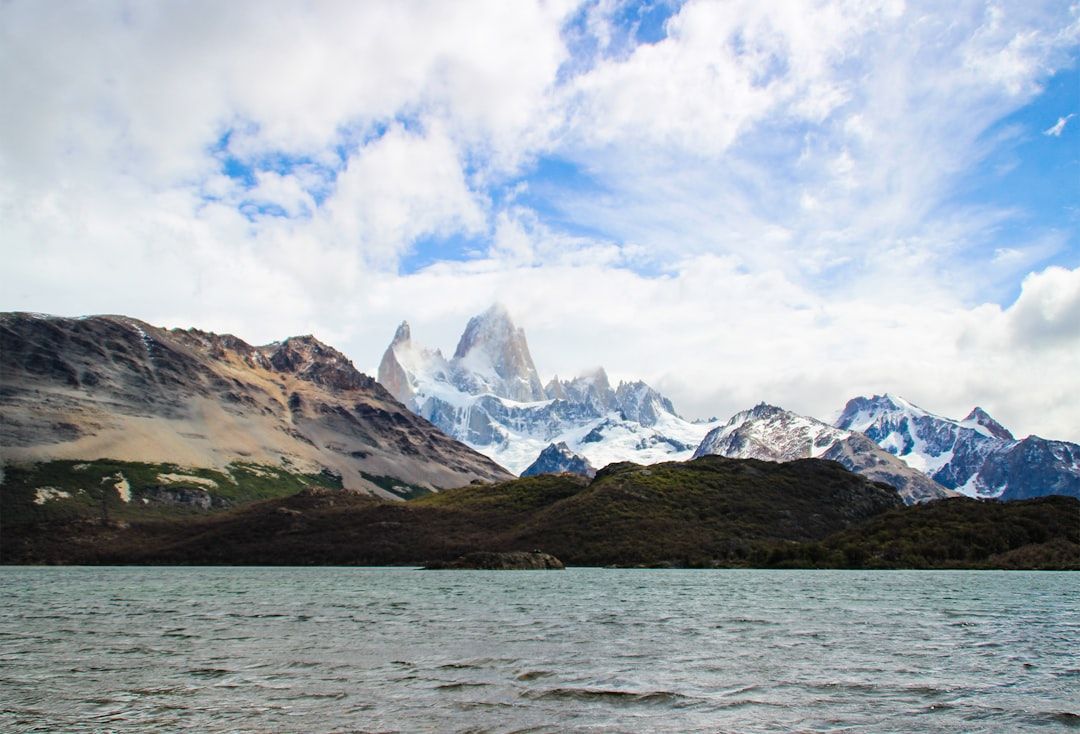
Argentine Patagonia centres on El Calafate for the Perito Moreno glacier and El Chaltén for walking. El Chaltén is the one to prioritise if your time is short: the trails start from the village, they are free, and you can decide each morning based on whether Fitz Roy is visible.
| Torres del Paine | El Chaltén | |
|---|---|---|
| Access | Bus from Puerto Natales | Trails from the village |
| Cost | Park fee, refugios, transport | Free walking |
| Booking | Months ahead in season | Only accommodation |
| Flexibility | Low — fixed itinerary | High — decide daily |
The distances
| Leg | Time |
|---|---|
| El Calafate → El Chaltén | 3h |
| El Calafate → Puerto Natales (border) | 5–6h |
| Puerto Natales → Torres del Paine | 2h |
| Puerto Natales → Punta Arenas | 3h |
| Bariloche → El Chaltén | 20h+ |
The border crossings between Chile and Argentina are straightforward but slow — everyone off the bus, passports stamped both sides, bags checked. Chile prohibits bringing in fresh fruit, meat and dairy, and enforces it with dogs and fines. Eat your apple before the queue.
A workable two-week shape: El Calafate (2 nights) → El Chaltén (4) → Puerto Natales (1) → Torres del Paine (4) → Punta Arenas (1). Fly into Calafate and out of Punta Arenas.
The wind
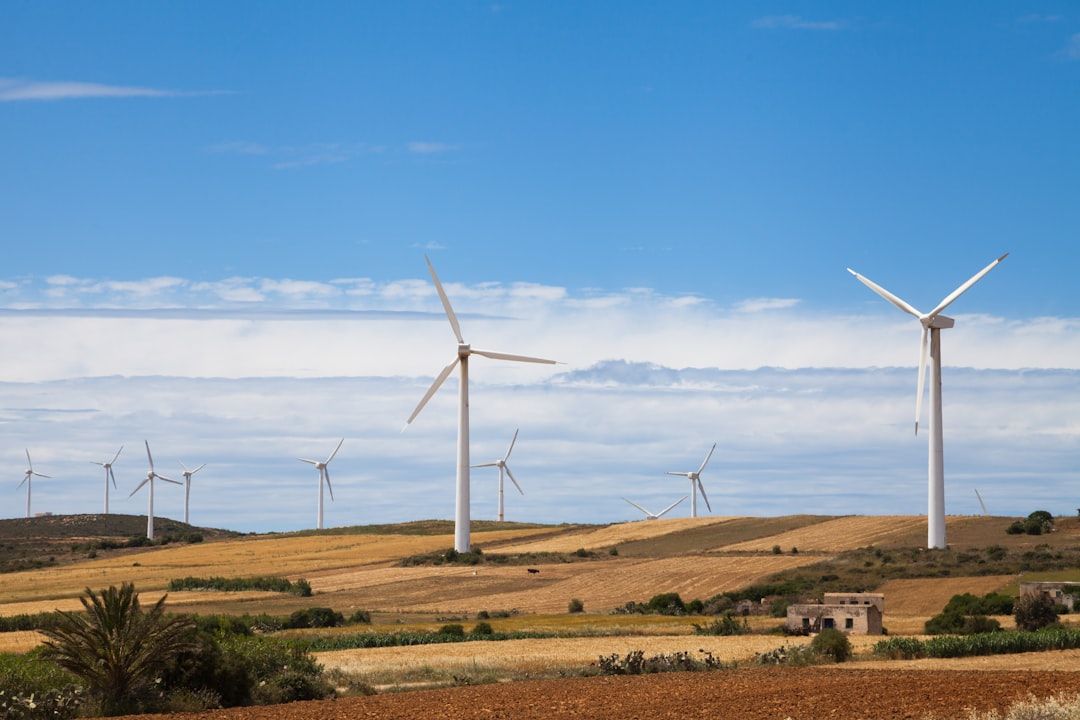
Patagonian wind is not a detail. Sustained summer winds of 60–100 km/h are normal, strong enough to knock walkers off balance on exposed sections and to close parts of trails.
Practical consequences: a windproof outer layer matters more than a thick warm one, trekking poles are genuinely useful rather than optional, and tents need to be properly pitched or they will not survive the night.
The wind also drives the weather changes. Fitz Roy and the Torres are frequently invisible in cloud, and the standard advice — allow several days in each place — exists because the mountain shows itself when it decides to, not when you arrive.
Season
November to March. December to February is warmest, busiest and most expensive, with refugios and buses booked out.
Late October to November and March to early April are the slow-traveller months: fewer people, more stable light, colder and windier. Many services shut outside the season entirely.
Costs
Patagonia is expensive by South American standards. Budget $70–110 a day for hostels, self-catered food and bus transport, more in Chile than Argentina.
The savings that matter: cook rather than eat out, since restaurant food in El Chaltén and Puerto Natales is costly and unremarkable; camp rather than take refugios in Torres del Paine; and buy supplies in Puerto Natales or El Calafate, where supermarkets are much cheaper than the village shops.
Argentina's currency situation has been volatile for years, so check the current position on exchange and card payments shortly before travelling rather than relying on older advice.
What slowness buys you here
Weather. Three days in El Chaltén means you probably see Fitz Roy; one day means a coin flip. That is the whole argument for the pace.