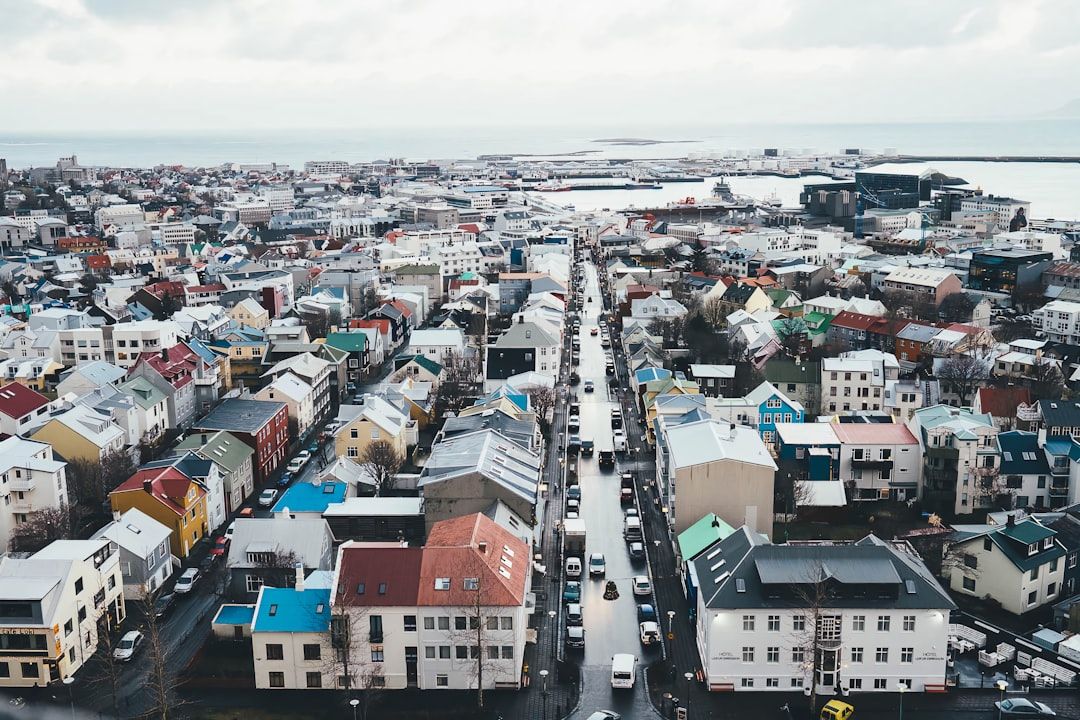
Iceland now receives more than two million visitors a year and the overwhelming majority of them see the same corridor — the Golden Circle and the south coast to Jökulsárlón. That route is genuinely spectacular and it is also busy. The rest of the country is not.
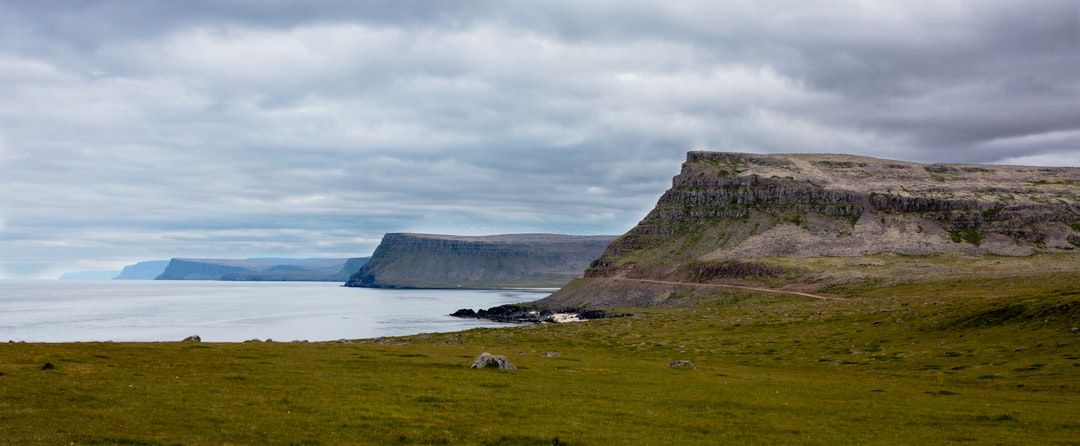
The Westfjords
A large peninsula in the northwest, connected to the rest of the country by a narrow neck, and skipped by nearly everyone because it adds days rather than hours.
What is there: Dynjandi, a tiered waterfall spilling down a mountainside that many people rate above anything on the south coast. Látrabjarg, Europe's westernmost point and a bird cliff where puffins sit close enough to photograph without a long lens. Hornstrandir, an uninhabited nature reserve reachable only by boat, where Arctic foxes are unafraid of people.
The catch is the roads. Much of the Westfjords road network is gravel, winding around fjord after fjord, so distances that look short take hours. Allow four to five days and treat it as its own trip rather than a Ring Road detour.
The east fjords
The stretch between Egilsstaðir and Höfn is the emptiest section of the Ring Road. Small fishing villages — Seyðisfjörður with its blue church and rainbow street, Borgarfjörður eystri with its puffin colony — and long drives with almost no other cars.
Most Ring Road trips pass through here quickly to get between the north and the south coast. Stopping for two days is the difference between a transit and a destination.
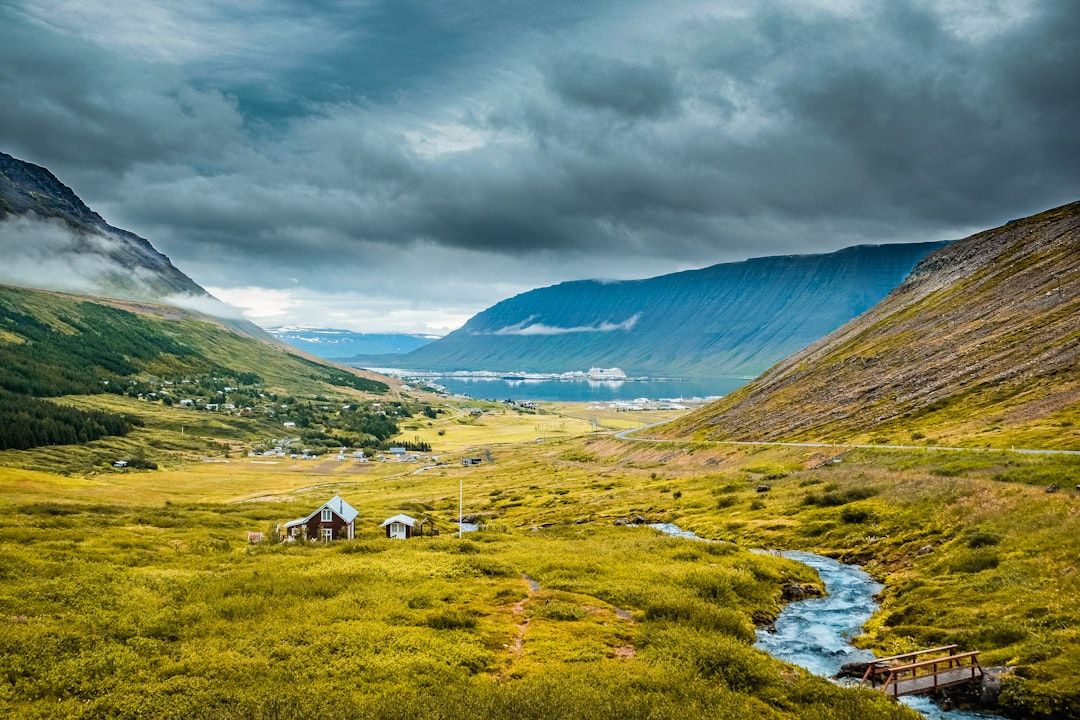
The north
Mývatn is the north's answer to the Golden Circle — a geothermal area with bubbling mud, lava formations and the Mývatn Nature Baths, which are the quieter and better alternative to the Blue Lagoon.
Dettifoss, Europe's most powerful waterfall by volume, and Ásbyrgi, a horseshoe canyon.
Akureyri is the northern town and a reasonable base.
The highlands, briefly
The interior — Landmannalaugar, Þórsmörk, Askja — is reached on F-roads, which open roughly late June to early September depending on snowmelt.
These legally require a 4x4 and involve unbridged river crossings. Most rental insurance excludes river damage entirely, and taking a two-wheel-drive car onto an F-road voids the agreement. If you want the highlands without the risk, the bus services to Landmannalaugar and Þórsmörk run in season and are the sensible option.
Practical driving notes
Two insurance items are not optional in practice. Gravel protection, because chipped windscreens are near-universal. Sand and ash protection, because south-coast sandstorms can strip a car's paint in minutes and the bill runs to thousands. Neither is covered by standard collision waiver.
Check road.is and vedur.is every morning. Road closures and weather warnings are routine rather than exceptional, and this is what Icelanders do.
Open car doors holding them. Wind strong enough to tear a door off its hinges is a documented and uninsured event.
Time and money
| Route | Days |
|---|---|
| South coast out and back | 5–7 |
| Full Ring Road | 10 |
| Ring Road + Westfjords | 14–16 |
| Westfjords alone | 5–7 |
Iceland is expensive and there is no trick to it. Supermarket food from Bónus or Krónan, guesthouses rather than hotels, and the ubiquitous petrol-station hot dog are how people manage.
The one genuinely free pleasure is the swimming pools. Every town has a geothermal pool with hot tubs, they cost a few hundred krónur, and they are where Icelandic social life actually happens — far more rewarding than the Blue Lagoon at twenty times the price.