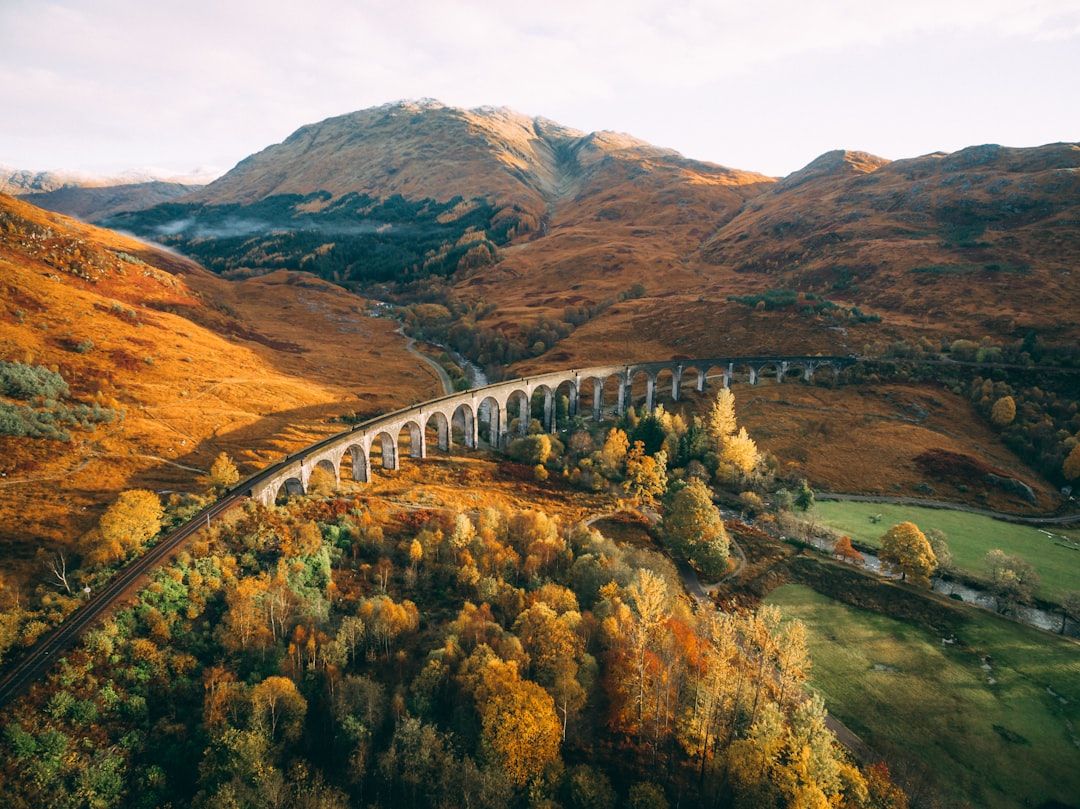
Most visitors hire a car at Edinburgh airport and spend the week looking at Scotland through a windscreen on single-track roads. It works, and it means that the country's two finest railway journeys, and the ferries that are half the reason the islands feel like islands, pass you by entirely.
Scotland is one of a small number of countries where going slowly is not a compromise. The transport that exists is scenic in its own right, and where it runs out, it runs out in ways you can plan around.
The West Highland Line
Glasgow to Fort William and on to Mallaig, and there is no serious argument about it being one of the great railway journeys anywhere. The middle section crosses Rannoch Moor, a peat wilderness with no road, where the line floats on a raft of brushwood and ash laid down in the 1890s. Rannoch station has no village attached to it.
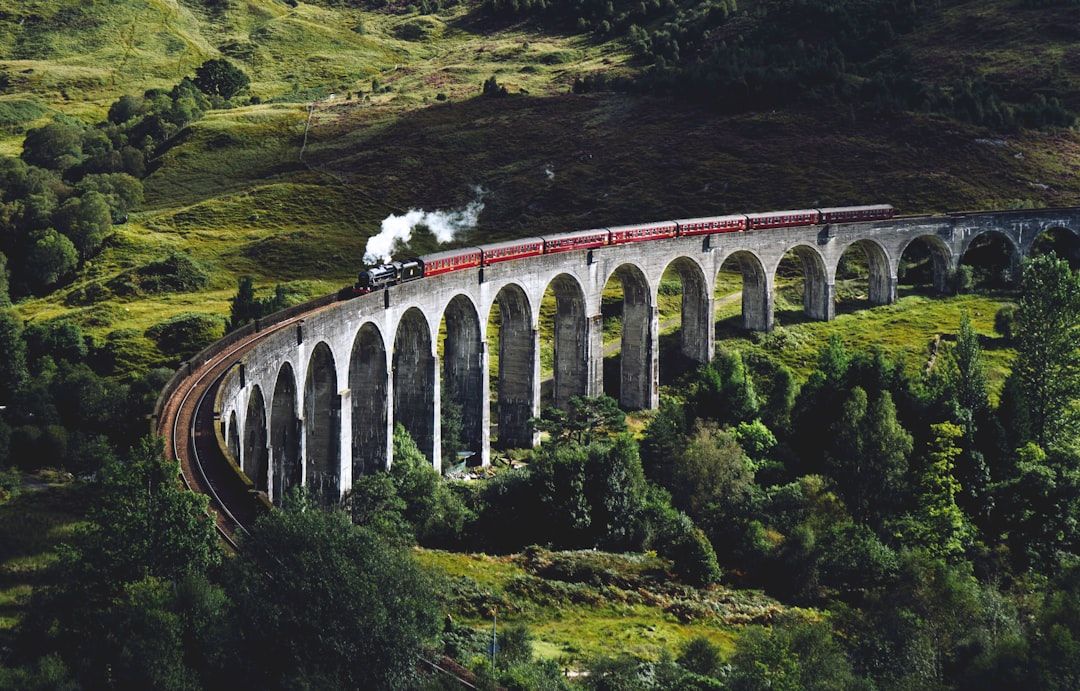
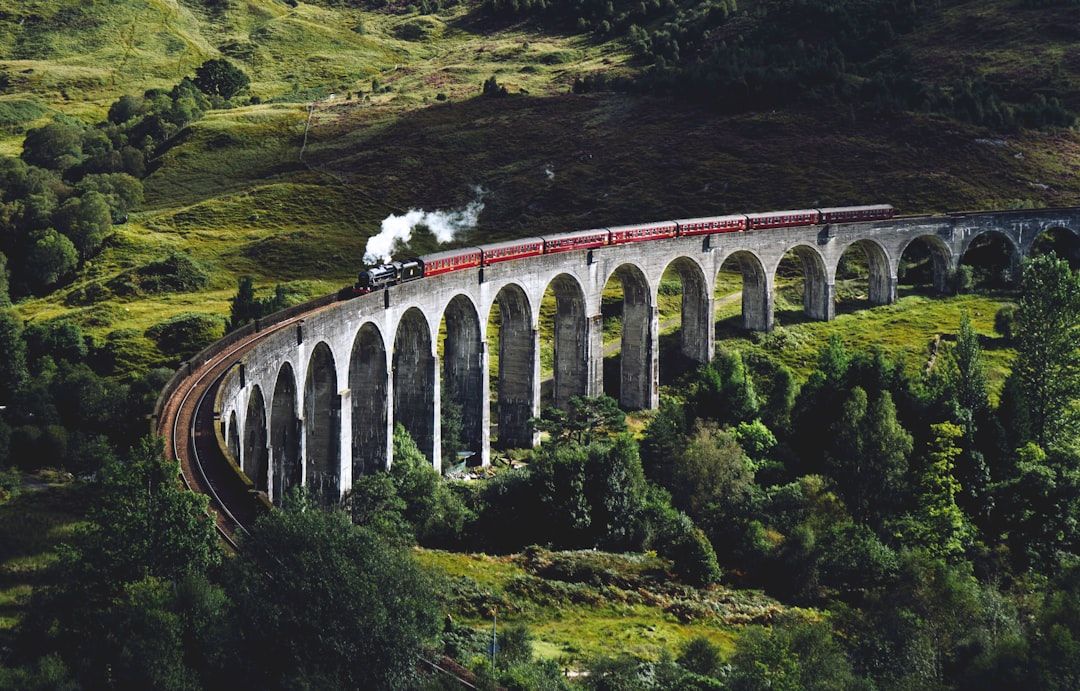
Beyond Fort William the line runs out to Mallaig over the Glenfinnan viaduct, which most people now recognise from films, and along a coast looking across to Skye and the Small Isles.
Take the ordinary scheduled service. It runs year-round, costs a fraction of the steam excursion, and stops in the same places.
The Kyle line and the far north
Less famous and arguably better. Inverness to Kyle of Lochalsh crosses the country to the west coast opposite Skye, through Achnasheen and along Loch Carron.
North from Inverness, the Far North Line runs to Thurso and Wick, taking a long inland detour around the flow country — a vast blanket bog that is one of the strangest landscapes in Britain and almost entirely unvisited.
Ferries as transport, not excursions
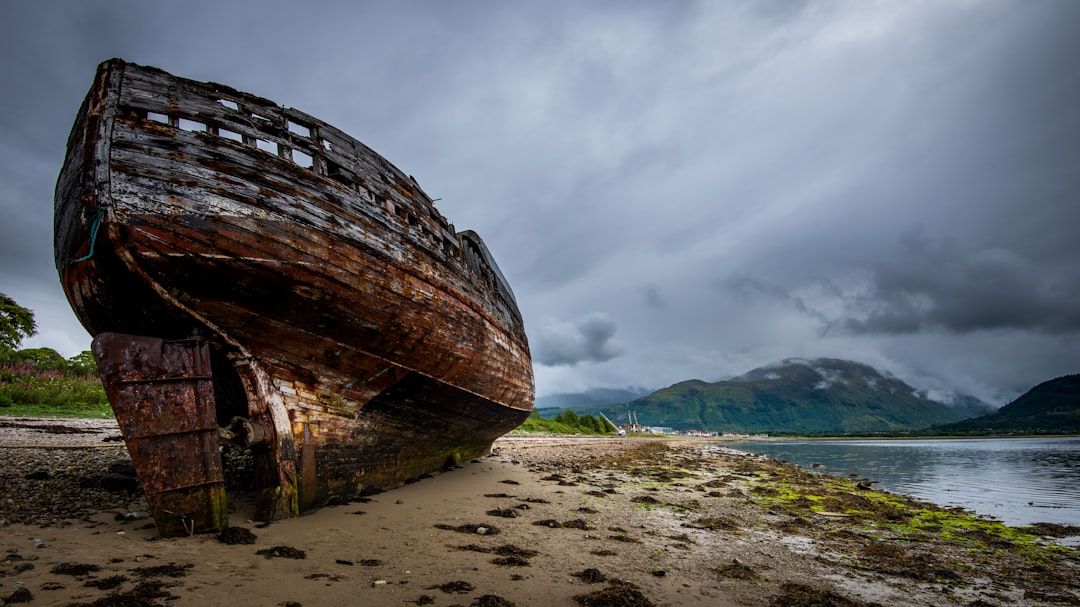
Caledonian MacBrayne runs the west coast island network, and its ferries are ordinary public transport carrying shopping, post and schoolchildren. Foot passengers are cheap and rarely need to book far ahead, which is the opposite of the position for cars in summer.
Useful combinations: train to Oban and ferry to Mull, from which Iona is another short crossing. Train to Mallaig and ferry to Skye at Armadale. Train to Ullapool by bus from Inverness, then the ferry to Stornoway on Lewis.
The Small Isles ferry from Mallaig — Eigg, Muck, Rum, Canna — is the loveliest half-day in the country and functions as a working service rather than a cruise.
Where public transport genuinely stops
Be honest about the limits. The far northwest, the interior glens, and most trailheads are not served. Rural bus routes can run twice a day, or three times a week, and several are demand-responsive and must be booked the day before.
Two practical consequences. First, check the last departure before you commit to an afternoon walk, because a missed rural bus in Wester Ross is an expensive and lengthy problem. Second, budget for taxis; in the Highlands a taxi from a village to a trailhead is a normal thing to do and is often the piece that makes a car-free trip work.
How to build the week
Fewer bases, longer stays. Public transport rewards this because the travel days are the enjoyable part rather than the overhead, and it punishes hopping because each hop is constrained by a timetable.
A pattern that works well: two nights Glasgow or Edinburgh, the West Highland Line to Fort William for three, the ferry to Skye for three, and back east via the Kyle line to Inverness. That is a week of genuinely good journeys with no driving at all.
The weather argument
There is a real advantage nobody mentions. Scottish weather changes hourly, and on a train or a ferry that is entertainment rather than stress. Rain on Rannoch Moor from a warm carriage is one of the better experiences the country offers. The same weather on a single-track road with passing places is not.