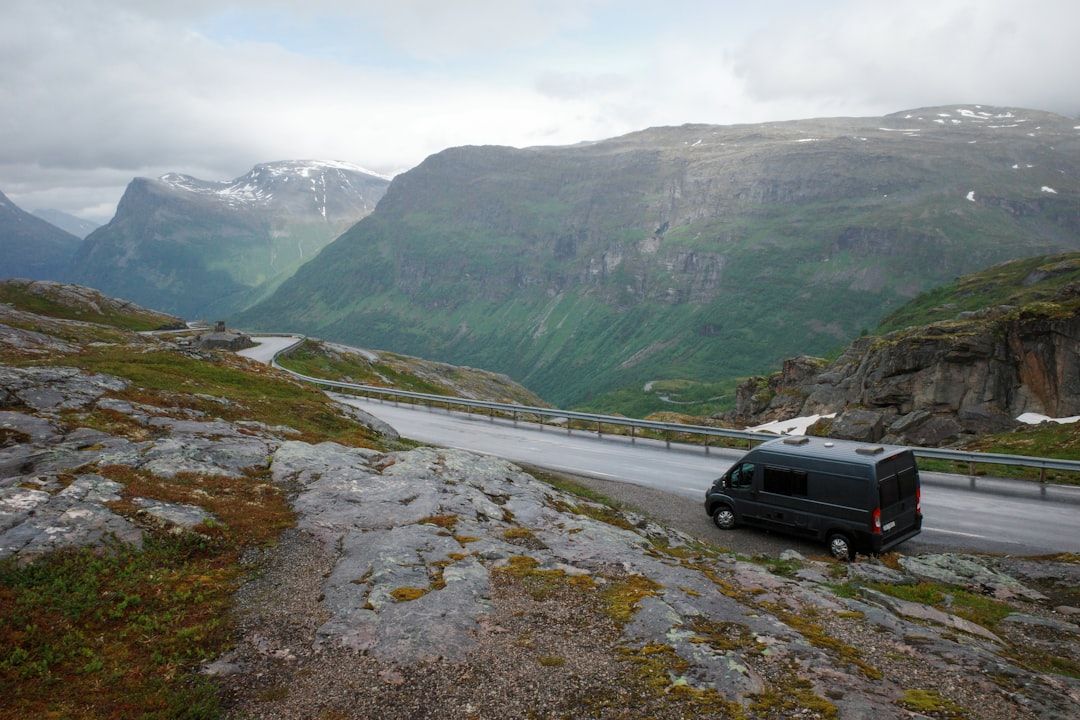
"Off-grid" is used loosely for anywhere that feels remote. The useful distinction is practical: places where there is no signal, no resupply and no rapid rescue require different preparation from places that are merely quiet, and the two get conflated constantly.
The difference that matters
| Remote | Genuinely off-grid | |
|---|---|---|
| Phone signal | Intermittent | None |
| Resupply | A village within hours | Days away |
| Rescue | Road-accessible | Air, or self-rescue |
| Preparation | Sensible | Specific and non-negotiable |
Most destinations marketed as off-grid are the left column. That is fine — they are quiet and beautiful. But if you are heading into the right column, the preparation is not optional.
Communication
A phone is not a safety device where there is no network.
Satellite communicators — Garmin inReach, Zoleo and similar — provide two-way text messaging and an SOS function routed to an international rescue coordination centre. Two-way matters: it lets responders understand the situation rather than dispatching blind.
Personal locator beacons are cheaper, need no subscription, and send only a distress signal with your position. No messaging.
Either is a meaningful piece of equipment. Neither replaces telling someone your route and expected return, which remains the single most useful safety measure and costs nothing.
Range: fuel, water, food
Fuel. In Namibia's Kaokoveld, the Australian outback or western Mongolia, stations can be 200–400 km apart and occasionally dry. The standard discipline is to fill whenever you pass one and carry jerry cans on the long sections.
Water. Three to five litres per person per day in heat, plus reserve. In a vehicle this means carrying far more than you expect to drink. Where sources exist, a filter reduces the load — but only where the sources are known and reliable.
Food. Two or three days beyond your planned trip. Vehicle breakdowns and weather delays are the normal reason people need it, not dramatic events.
Permits and notification
Many genuinely remote areas require permits, and the requirement usually exists because rescue is difficult.
Nepal's restricted regions — Upper Mustang, Dolpo — require special permits and a registered guide. Australia's desert parks require entry permits and sometimes trip notification. Greenland's backcountry requires registration for some routes. Mongolia's border zones need permits arranged in advance.
Where a registration scheme exists, use it even if enforcement is loose. It is what turns an overdue return into a search.
Where is genuinely off-grid
The Kaokoveld, Namibia — the northwest, beyond Damaraland. Gravel and sand tracks, no signal, no fuel for long stretches, and convoy travel is the local convention.
Western Mongolia — Bayan-Ölgii and the Altai. No roads in the usual sense, no coverage, and drivers navigate by terrain.
Greenland outside settlements — no roads connect towns at all; movement is by boat, helicopter or on foot.
Dolpo, Nepal — restricted-area permits, high passes, and multiple days between villages.
The Australian outback — the Canning Stock Route and similar require serious vehicle preparation and are not casual undertakings.
The honest caution
The appeal of off-grid travel is real and so is the risk profile, which is different in kind rather than degree. A twisted ankle within phone coverage is an inconvenience; the same injury three days from a road is a serious situation.
The preparation is not about pessimism. It is what makes the trip reasonable rather than reckless — and, in practice, it is mostly a communicator, a margin on fuel and water, and someone at home who knows when to raise the alarm.