Remote travel is romanticised as simple and imagined as cheap. It is usually neither. The further from infrastructure a place is, the more everything costs, and understanding why makes the budgeting predictable.
Why distance costs money
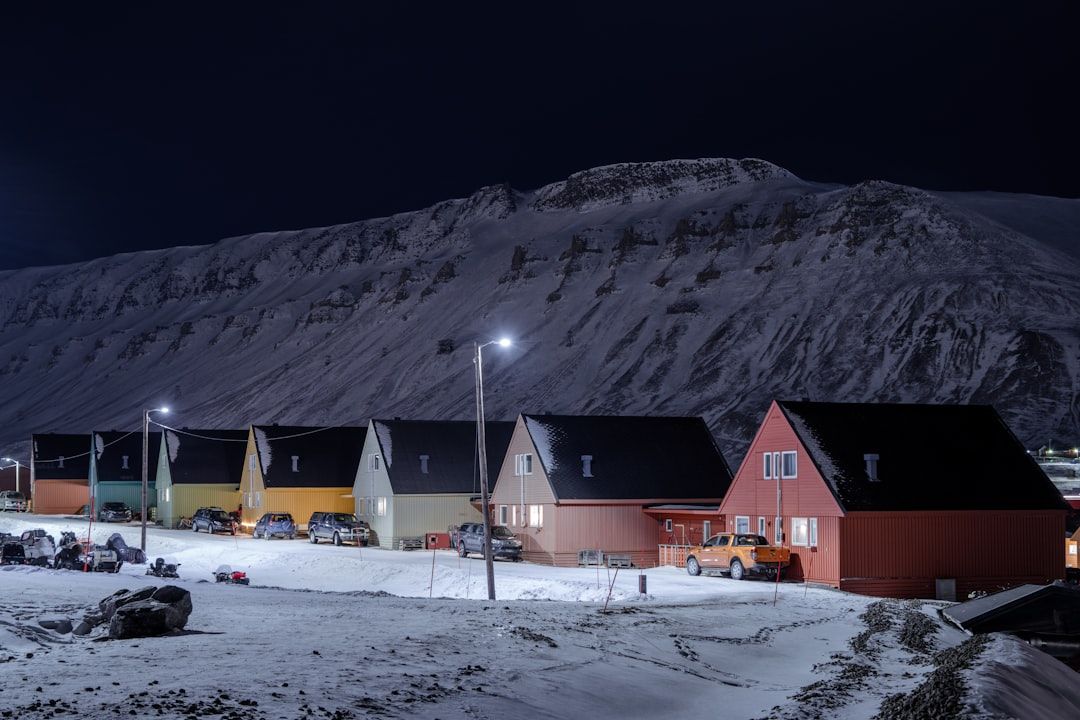
Monopoly transport. One airline flies to Longyearbyen. One ferry serves many island communities. Where there is no competition, fares reflect that.
Everything is carried in. A teahouse meal at 4,000 metres in Nepal costs three times the same meal in Pokhara because a porter or mule carried the ingredients up. In Greenland and the Arctic, groceries arrive by ship.
Mandatory guides and permits. Bhutan, restricted regions of Nepal, parts of Svalbard, gorilla permits in Rwanda and Uganda — these are fixed costs that do not scale down however frugal you are elsewhere.
Insurance. Cover including remote-area rescue and helicopter evacuation costs considerably more than a standard policy.
What different remote destinations cost
| Destination | Daily | Main driver |
|---|---|---|
| Mongolia, shared driver | $50–90 | Vehicle and fuel |
| Nepal teahouse trek | $25–45 + guide | Altitude surcharge |
| Namibia, camping self-drive | $70–110 | Vehicle hire |
| Patagonia | $70–110 | Distance, park fees |
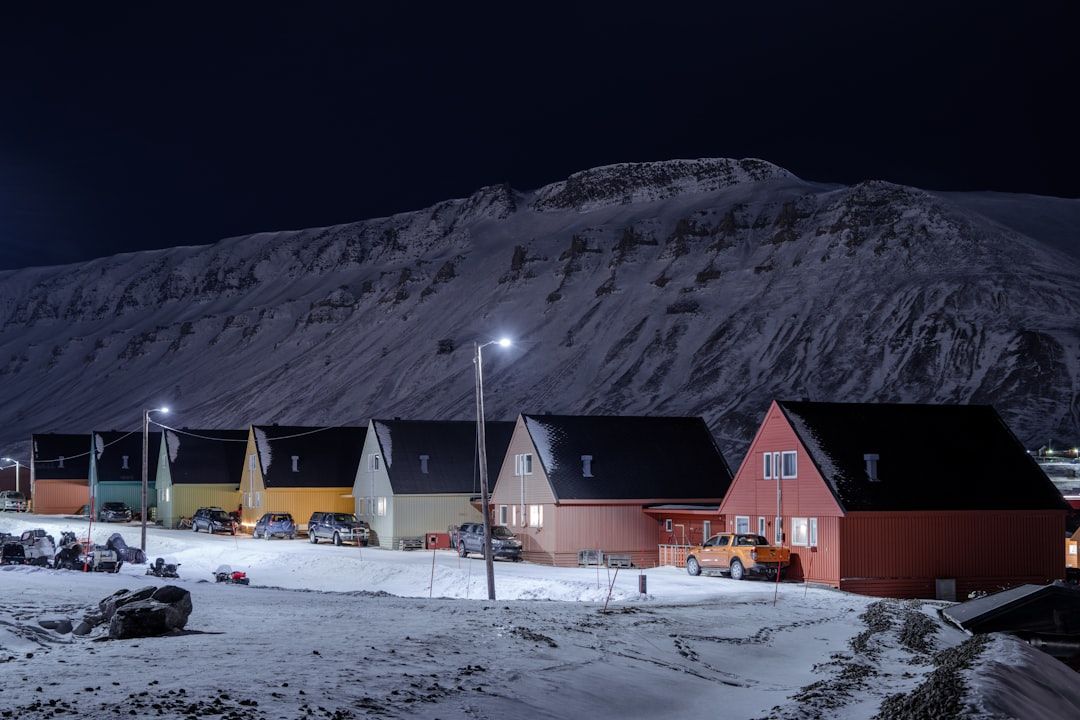
| Svalbard | $200–350 | Flights, guides required |
| Greenland | $250–400 | Flights between settlements |
| Bhutan | $250–400 | Sustainable Development Fee |
The spread is wide enough that "remote travel" is not one budget category. Mongolia with three others in a van is affordable; Greenland is not, at any level of frugality.
The insurance question, specifically
This is where people are most often uncovered without knowing it.
Standard travel policies commonly exclude: trekking above a stated altitude (often 3,000 or 4,000 metres), remote-area activities, and helicopter evacuation — which is precisely the cost that matters.
A helicopter evacuation from a Nepali trekking route runs into thousands of dollars and is billed before the flight in many cases. Specialist policies from providers covering expedition travel are the answer, and the premium is small against the exposure.
Read the exclusions rather than the summary, and check the altitude limit against your actual route.
Where the money can be reduced
Share the fixed costs. Vehicles, drivers and guides are per-group rather than per-person. Mongolia with four sharing is half the price of two. Namibia with a shared 4x4 likewise.
Camp rather than lodge. In Namibia, Patagonia and New Zealand this is the largest single saving and often the better experience.
Carry your own food where you can. On Nepali treks the altitude surcharge on meals is unavoidable, but in vehicle-based travel buying supplies in the last real town rather than the last village saves substantially.
Go in shoulder season, where one exists. Patagonia in March, Namibia in May, Mongolia in September.
What you cannot reduce
Flights on monopoly routes. Mandatory permits and guides. Park entry fees. Insurance appropriate to the risk.
Budget those as fixed, then economise on accommodation and food, which are the flexible portion. Trying to reduce the fixed costs — skipping the insurance, avoiding a required guide — is where remote travel becomes genuinely unwise rather than merely expensive.