
Tokyo has no centre and no finish line. Treating it as a list of districts to cross off produces a week of trains and a blurred memory. Choosing one neighbourhood and living in it produces something else.
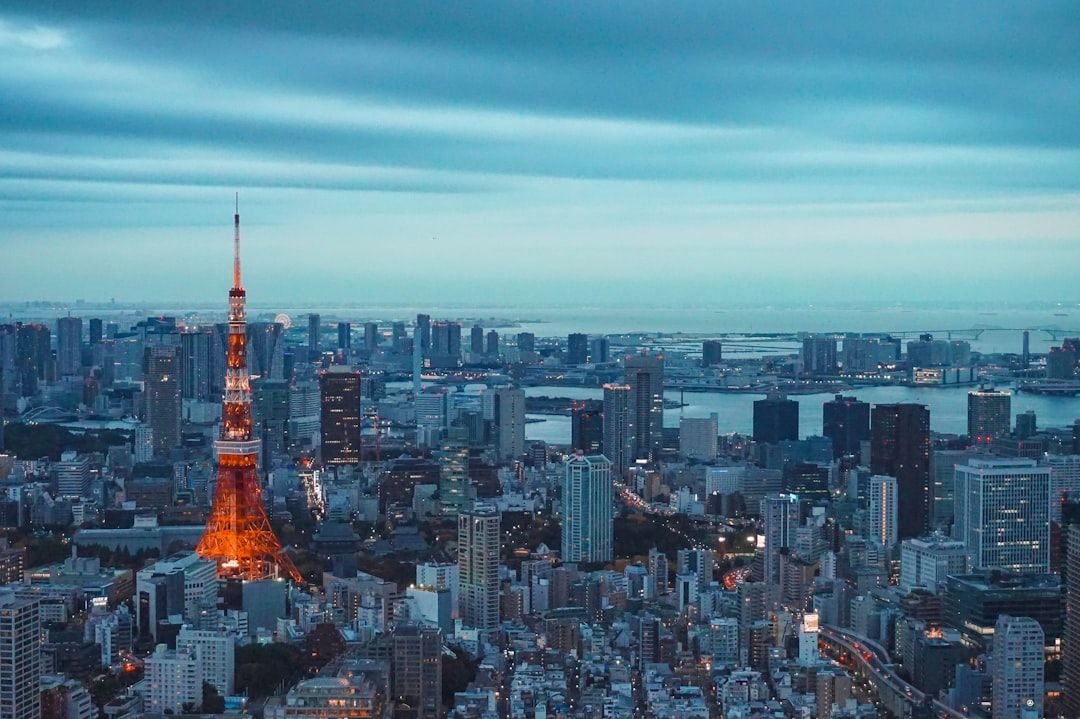
Why the checklist fails here
The famous districts are 30 to 50 minutes apart on the Yamanote loop, and each is dense enough to absorb a full day. A schedule of Shibuya in the morning, Asakusa in the afternoon and Shinjuku in the evening is three hours of trains and three shallow impressions.
Tokyo's pleasure is granular — a specific coffee shop, a particular street at a particular hour, the way a neighbourhood empties and fills. None of that is reachable at speed.
Where to base yourself
| Area | Character |
|---|---|
| Yanaka | Low-rise old city, survived the war, cemeteries and small shops |
| Shimokitazawa | Second-hand clothes, tiny bars, live music |
| Kōenji | Punk and record shops, cheap izakaya, lived-in |
| Kagurazaka | Narrow stone lanes, former geisha district, good food |
| Nakameguro | Canal-side, quieter, design shops |
All are residential, all are on the network, and all cost considerably less than Shinjuku or Shibuya. Weekly apartment rates frequently undercut nightly hotel prices substantially.
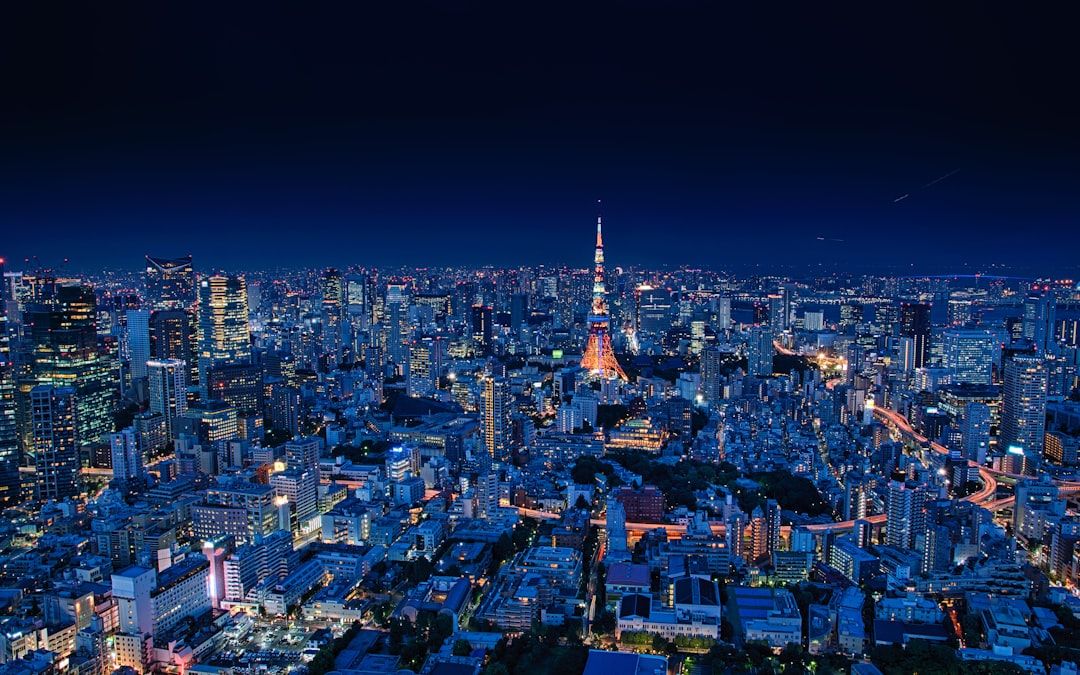
What a slow week looks like
Find your kissaten. The old-style coffee houses — dark wood, siphon coffee, jazz, no wifi and often no conversation — are a genuine Tokyo institution and the opposite of a chain café. Going to the same one three mornings running is how you become a regular, which in Tokyo is a real social category.
Use the neighbourhood sentō. The public bathhouse, around ¥500, is where residents actually go. Wash thoroughly at the seated showers first, then get in. Tattoos are still refused at some, though attitudes have relaxed.
Eat at the counter. Standing ramen, a six-seat curry place, a soba shop at lunch. Ordering by ticket machine is standard and removes the language problem entirely.
Walk the same route at different hours. A shōtengai — a covered shopping street — at 8am, 2pm and 9pm is three different places.
Go to a park on a weekday. Not Yoyogi on Sunday, which is a spectacle. Rikugien or Kiyosumi on a Tuesday morning, which is a garden.
The one or two things worth crossing the city for
A slow week does not mean seeing nothing. But two or three deliberate excursions is the right number, not eight.
The Tokyo National Museum in Ueno, which is the best collection of Japanese art anywhere and is rarely crowded on a weekday morning.
Tsukiji outer market before 9am, for breakfast rather than sightseeing.
A day trip — Kamakura for temples and coast, or Hakone for an onsen — which is genuinely worth a full day.
Practical
Get a Suica or Pasmo and tap for everything, including convenience stores.
Skip the JR Pass if you are staying in Tokyo. It is priced for intercity shinkansen travel and will not pay off.
Cash still matters at small restaurants, shrines and older shops. 7-Eleven ATMs take foreign cards.
Last trains run around midnight and the network stops until roughly 5am.
What a week gets you
Not more sights. A functioning routine in a city of fourteen million, which is a stranger and better souvenir than a photograph of the Shibuya crossing.