New Zealand is roughly the length of Italy split across two islands, with winding roads and a ferry in the middle. The planning error that spoils most trips is treating it as small.
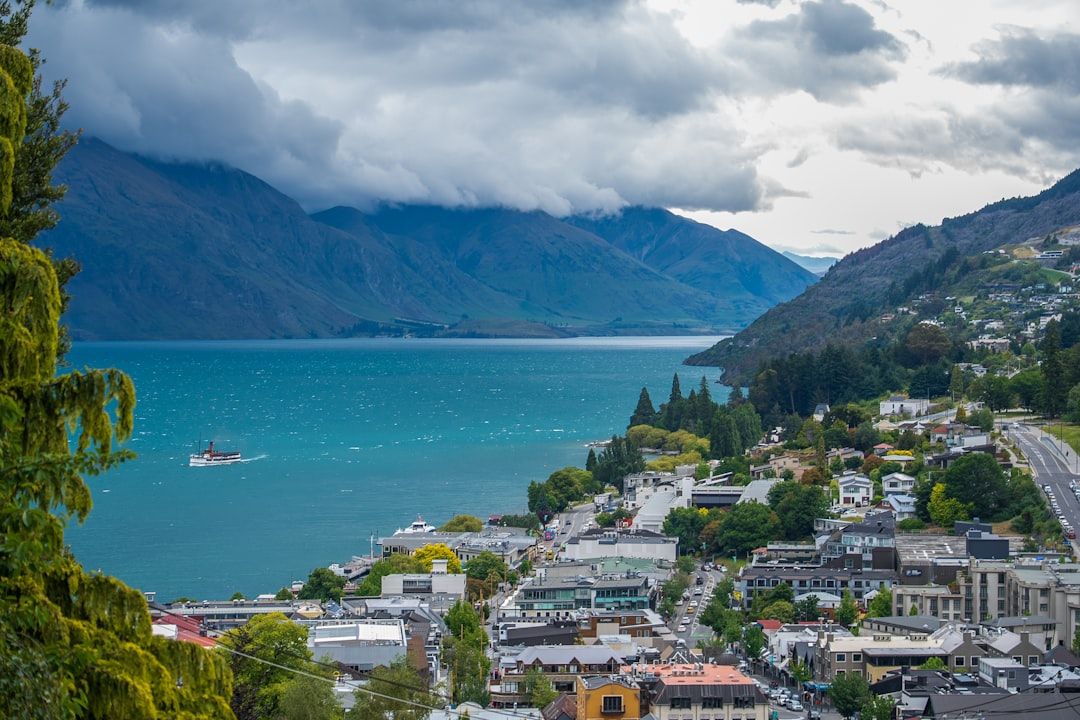
The driving times are longer than they look
| Route | Distance | Realistic time |
|---|---|---|
| Auckland → Rotorua | 230 km | 3h |
| Christchurch → Queenstown | 480 km | 6h |
| Queenstown → Milford Sound | 290 km | 4h each way |
| Christchurch → Franz Josef | 390 km | 5h30 |
| Wellington → Picton (ferry) | — | 3h30 crossing |
Roads are two-lane, winding and scenic, which means posted times assume no stopping and you will stop constantly. Add 30 percent to any estimate.
Pick one island
South Island — mountains, glaciers, fjords, the Southern Alps. Queenstown, Wanaka, Fiordland, the west coast glaciers, Aoraki/Mount Cook, and Abel Tasman in the north. This is the landscape most people come for.
North Island — geothermal Rotorua and Taupō, the Tongariro Alpine Crossing, Māori cultural centres, Northland's beaches and the Coromandel. Warmer, greener, considerably less crowded and cheaper.
Two weeks does one island unhurried. Three to four weeks does both. Two weeks across both is a driving holiday with scenery through the windscreen.
A two-week South Island shape
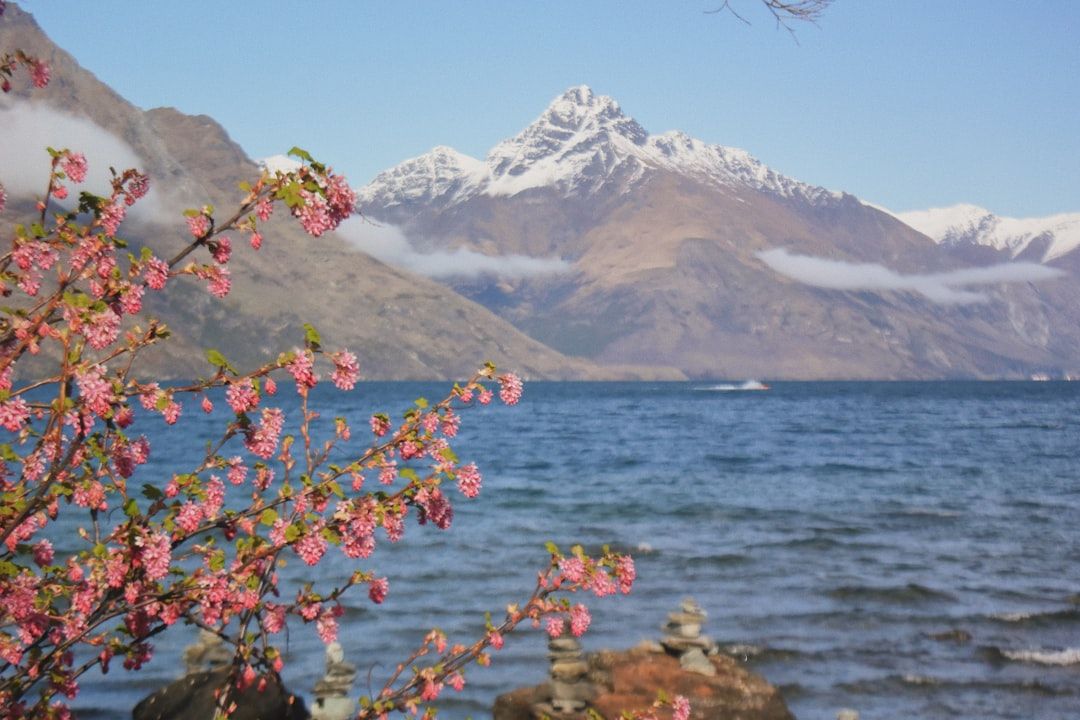
Christchurch (1) → Aoraki/Mount Cook (2) → Wanaka (2) → Queenstown (3, with Milford as a day trip) → Te Anau (1) → west coast glaciers (2) → Arthur's Pass (1) → Christchurch (1).
Fly into and out of Christchurch, or open-jaw via Queenstown to save the return leg.
Milford Sound from Queenstown is a four-hour drive each way — a very long day. Staying in Te Anau, two hours closer, makes it civilised.
Walking, and what needs booking
The Great Walks — Milford, Routeburn, Abel Tasman, Tongariro Northern Circuit and the others — require hut or campsite bookings that open months ahead for the following season and sell out within hours for the popular routes.
If a Great Walk is the point of your trip, that booking date sets your itinerary.
If it is not, note that New Zealand has hundreds of excellent tracks needing no booking at all. The Tongariro Alpine Crossing is a single day and among the best walks in the country; the Hooker Valley track at Mount Cook is three hours and gives you the mountain reflected in a glacial lake.
Sleeping and camping
| Type | Cost per night |
|---|---|
| Hostel dorm | NZ$35–55 |
| Holiday park cabin | NZ$80–140 |
| DOC campsite | NZ$8–25 |
| Campervan hire, per day | NZ$90–200 |
Freedom camping is permitted only in designated areas and in most regions requires a certified self-contained vehicle with a fixed toilet. Rules vary by council, fines are enforced, and not every campervan carries the certification — confirm the sticker rather than assuming.
The Department of Conservation campsites are the better option regardless: cheap, in extraordinary locations, and legal everywhere.
Season
December to February is summer, warmest and busiest, with accommodation booked out in Queenstown and the Great Walks full.
March and April are the slow traveller's months — settled weather, autumn colour in Central Otago, far fewer people and lower prices. November is the equivalent on the way in.
Winter is ski season in Queenstown and Wanaka, quiet elsewhere, with some alpine roads requiring chains.
Whatever the season, sandflies on the west coast and in Fiordland are relentless. Repellent is not optional there.