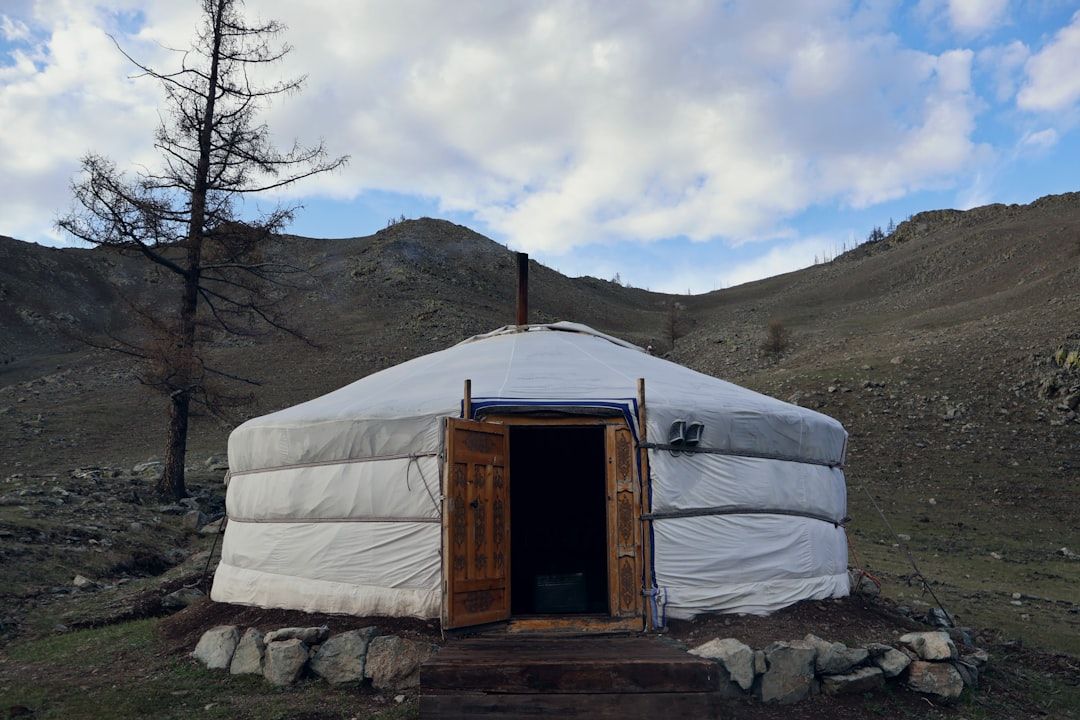
Mongolia is roughly the size of western Europe with a population smaller than many single cities, and almost all of it is open. There are few fences, few sealed roads, and outside Ulaanbaatar very little signage. The consequence is that the question of how you move around is more consequential than the question of where you go.
You will travel with a driver
This surprises independent travellers and it should be accepted early. Public transport between provincial centres exists but is sparse; navigation is by landmark and experience rather than road numbers; and vehicle breakdowns in places with no phone signal are a genuine risk that drivers are equipped for and you are not.
The standard arrangement is a Russian-built van or a Land Cruiser with a driver, frequently with a cook, booked for a set number of days and shared among four to six people. Hostels in Ulaanbaatar exist substantially to assemble these groups, and joining one is the normal way to keep costs sensible.
Your driver is not a chauffeur. They will navigate, negotiate accommodation with families, fix the vehicle, and translate. A good one transforms the trip.
The two classic routes
South to the Gobi. Not sand dunes for the most part, but stony desert and grassland, with the Khongoryn Els dunes, the red cliffs at Bayanzag where the first dinosaur eggs were identified, and the Yolyn Am gorge that holds ice into summer. A week to ten days, and a lot of driving.
North to Khövsgöl. A deep lake near the Russian border, ringed by larch forest and mountains, cooler and greener than anything in the south. Reindeer-herding Tsaatan communities live in the taiga beyond it; visits are possible and should be arranged with care and appropriate payment rather than treated as a spectacle.
Central Mongolia, around the old capital of Kharkhorin and the Orkhon valley, sits between the two and combines steppe, monastery ruins and waterfalls in less driving than either.
Ger camps and staying with families
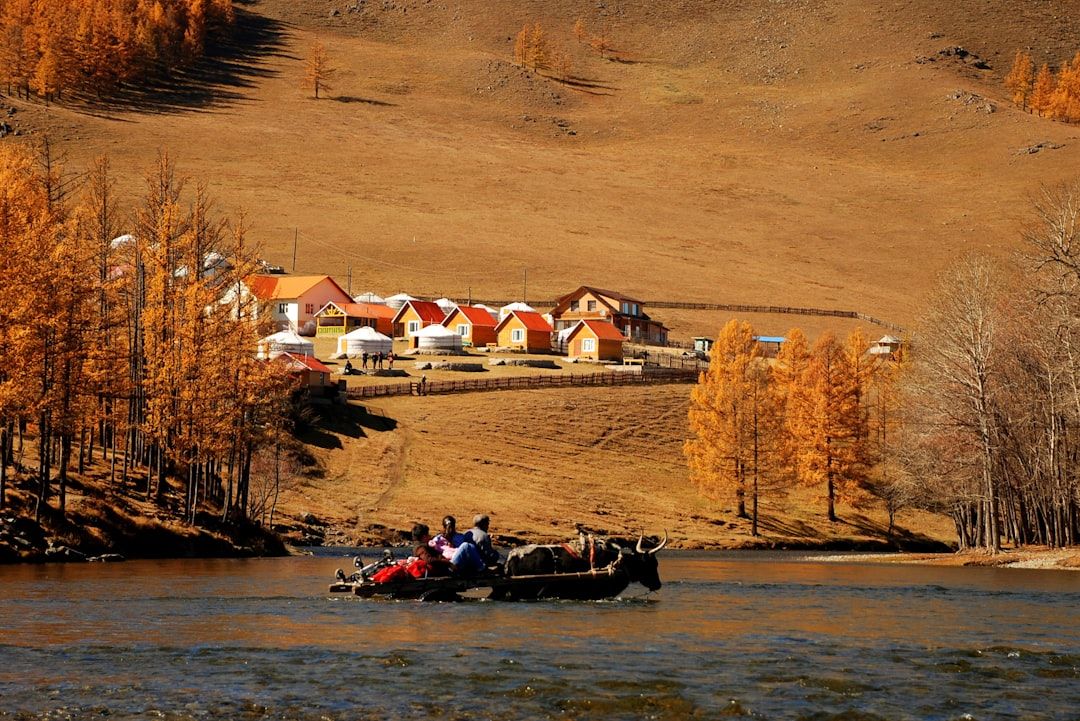
Two different things. Tourist ger camps are built for visitors: felt tents with beds and a stove, a shared shower block, meals in a dining ger. Comfortable and straightforward.
Staying with a herding family is being a guest in someone's home, and the etiquette matters. A few things worth knowing: move clockwise inside the ger; accept what is offered with the right hand, or both; do not step on the threshold; do not lean against the roof poles. Small gifts brought from your own country are appreciated far more than money offered directly.
Expect fermented mare's milk to be offered. Taking a sip is the polite response whatever you think of it.
The season is short
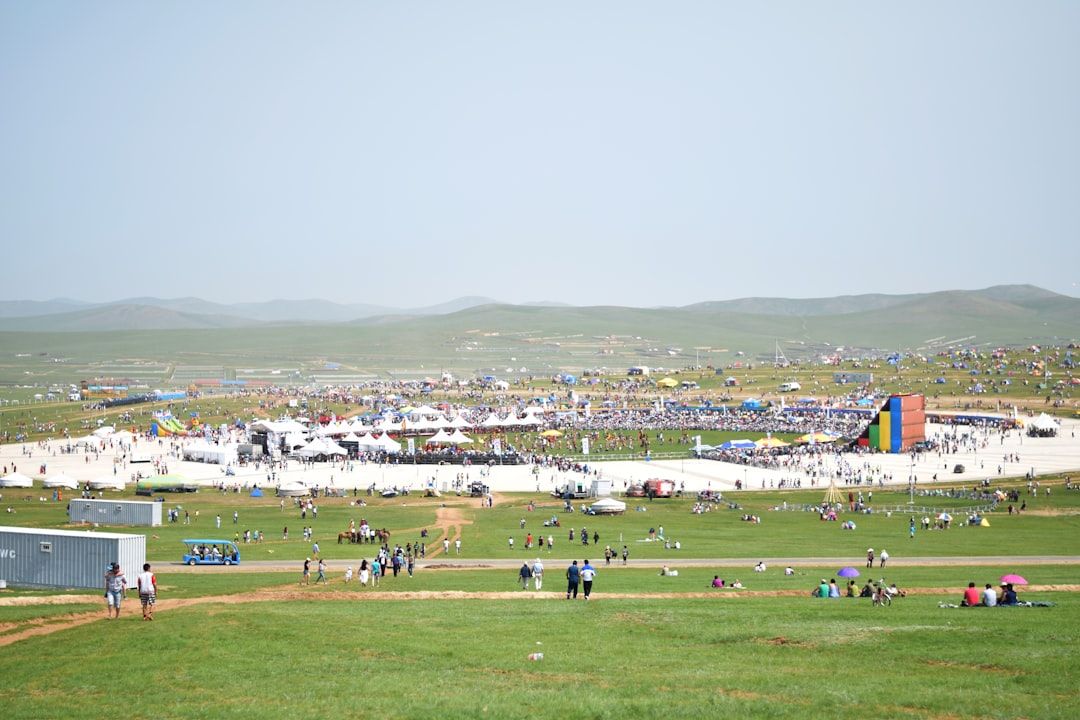
June to September, effectively. July and August are warmest and busiest, and July brings Naadam, the national festival of wrestling, archery and horse racing — the big Ulaanbaatar event is spectacular and heavily attended, while provincial Naadams are smaller and, to my mind, better.
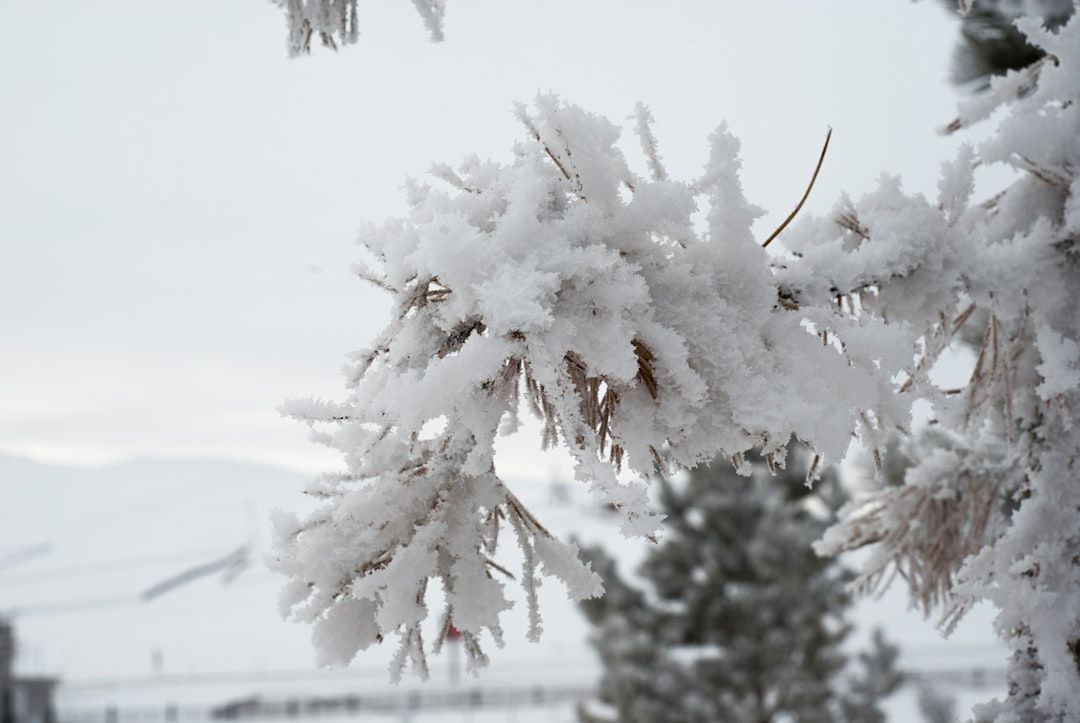
Shoulder months are cheaper and emptier, with genuinely cold nights. Winter on the steppe reaches below minus 30C routinely and is a specialist trip requiring specialist preparation.
Ulaanbaatar
Around half the country's population lives in and around the capital, and it is a jarring contrast to everything outside it: traffic, tower blocks, and a ring of ger districts on the hills. Most visitors treat it as a staging post, and two days is enough — the Gandan monastery, the National Museum for the Mongol empire context that makes the rest of the trip legible, and a stock-up on supplies.
What to expect of the days
Long. A Gobi loop covers well over a thousand kilometres on tracks, and six to eight hours in a vehicle is a normal day. If that sounds like a downside, Mongolia may not be the trip you want — because the driving is the experience. Hours of grassland to the horizon with no road, no fence and no building does something that arriving somewhere does not.