Going Off-Grid: What It Actually Requires
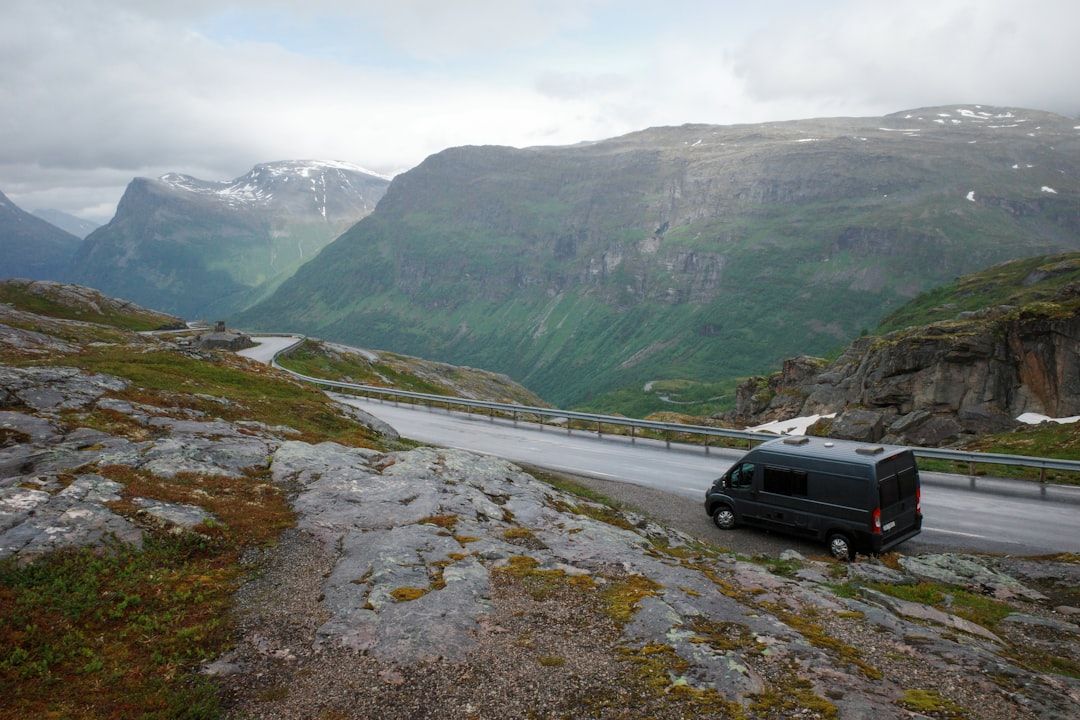
Places without signal, power or resupply demand specific preparation, and the gap between remote-feeling and genuinely remote is where people get caught out.

Places without signal, power or resupply demand specific preparation, and the gap between remote-feeling and genuinely remote is where people get caught out.

Slow travel is usually described as a philosophy. In practice it is a set of concrete decisions about pace, accommodation and transport that cost less.

New Zealand looks small and drives long, and the single biggest planning error is trying to see both islands in two weeks.

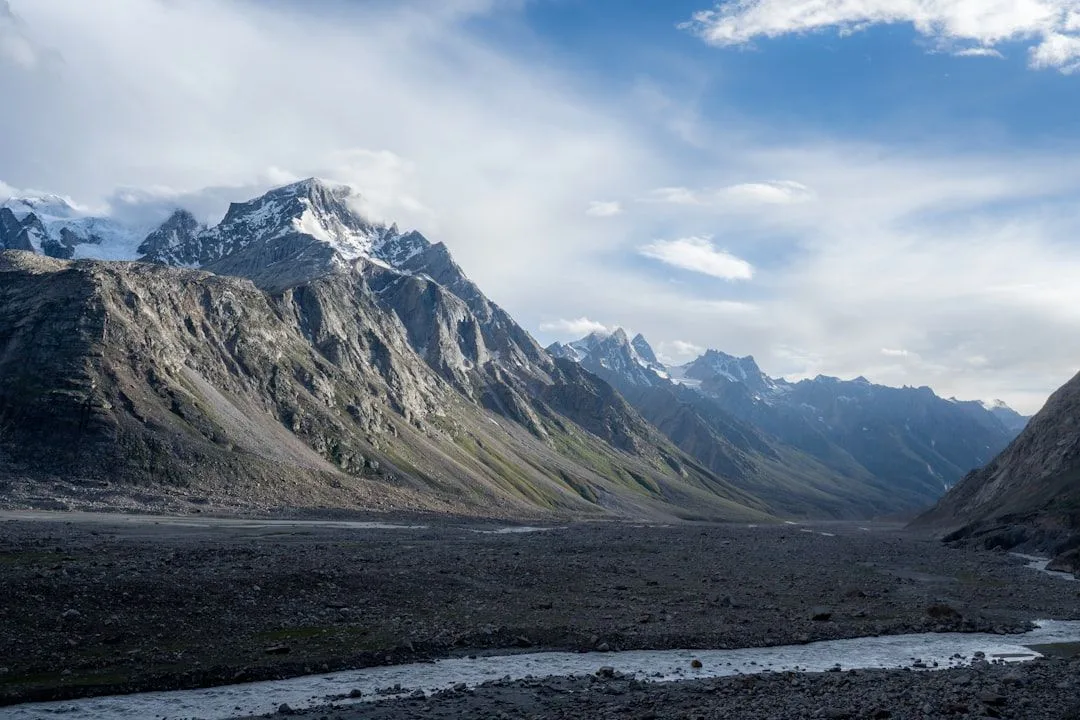
Altitude sets the pace in Nepal whether you plan for it or not, and the trekkers who ignore that are the ones who get evacuated.

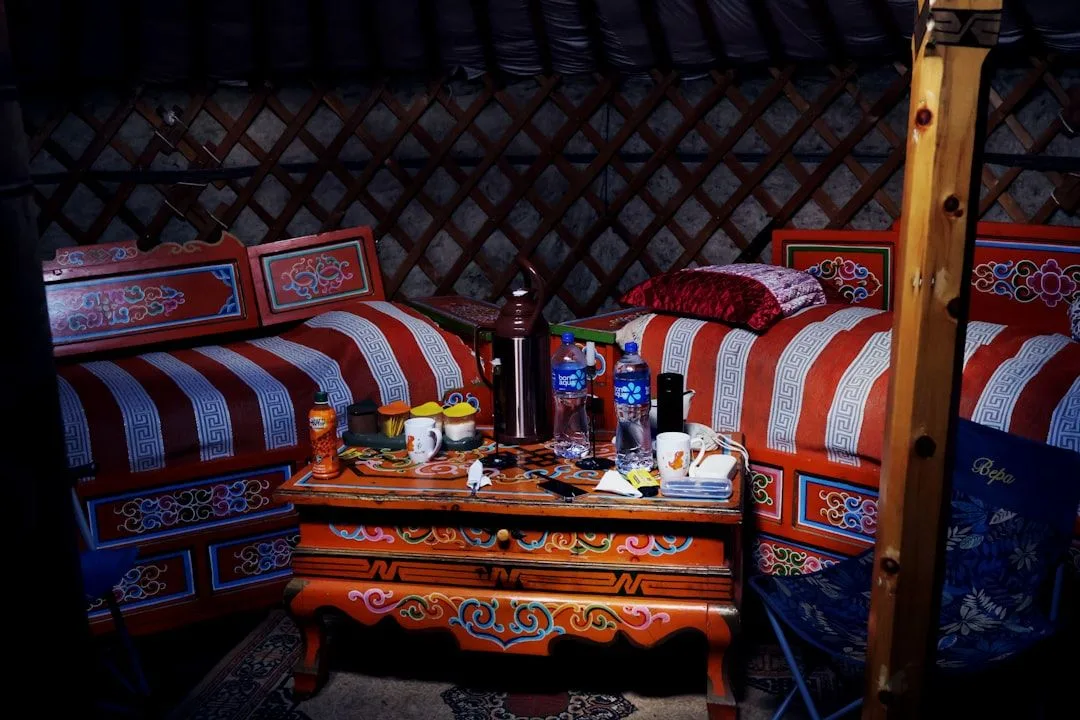
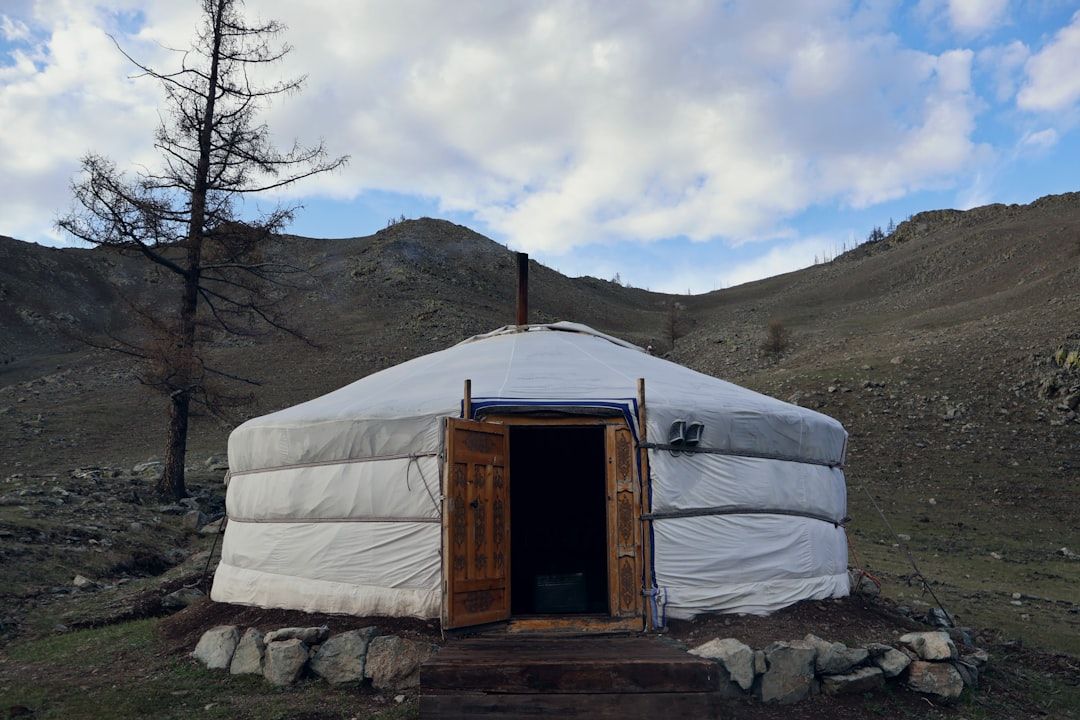
Outside Ulaanbaatar Mongolia has almost no paved roads and almost no fences, which makes independent travel here unlike anywhere else.

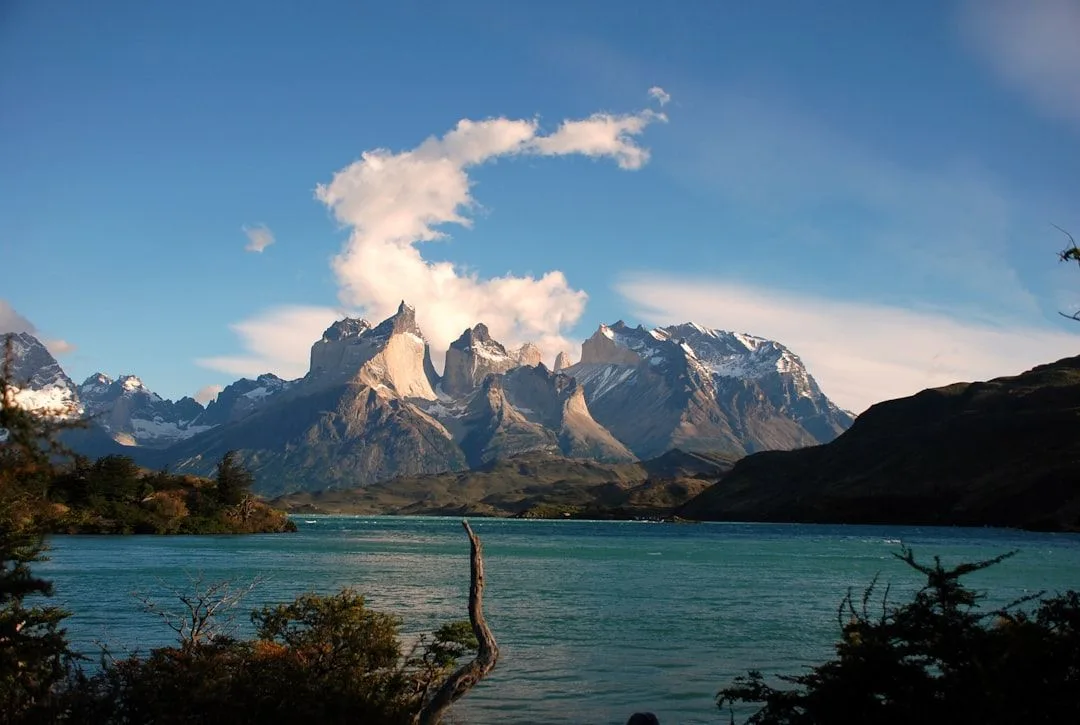
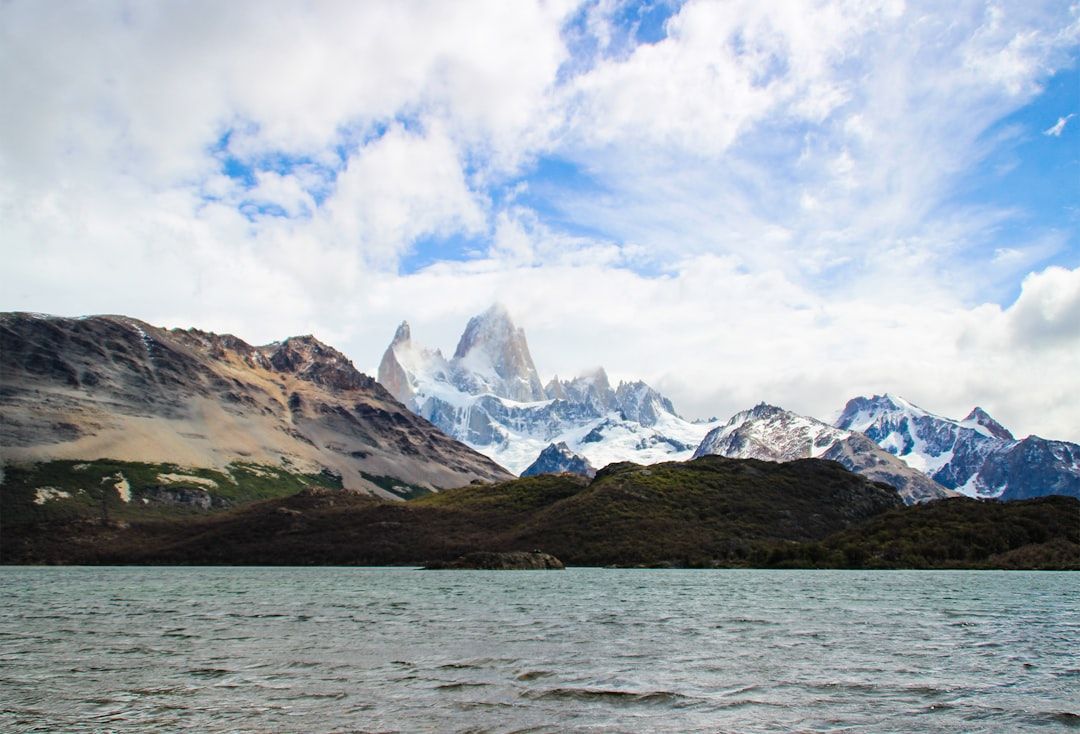
Patagonia is the size of France split between two countries, and the crossing between the Chilean and Argentine sides is what most itineraries underestimate.

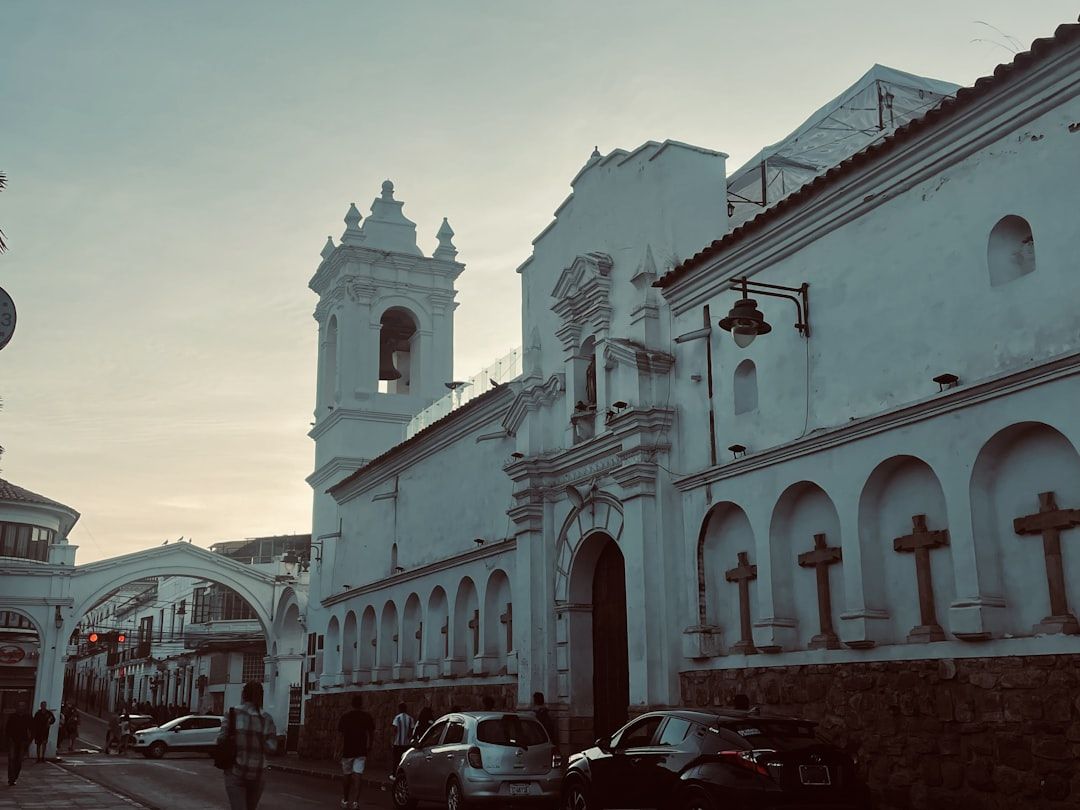
Most Bolivia trips are a rush between the salt flats and the border. The country is far more interesting to the traveller willing to descend from the altiplano.

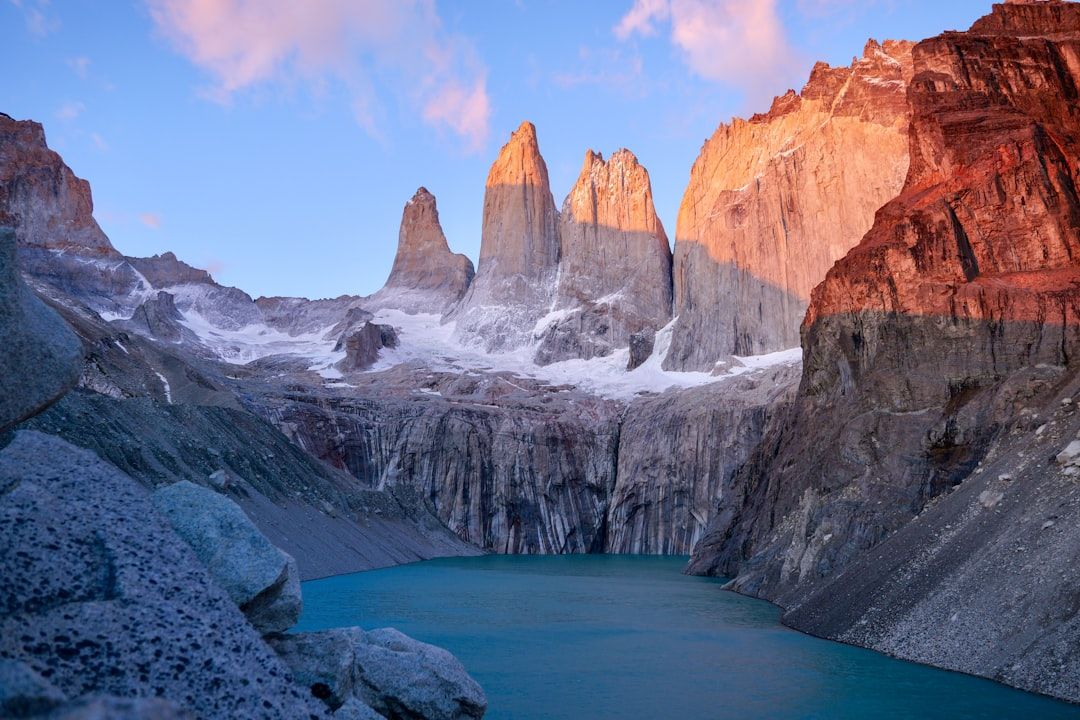
Chilean Patagonia splits into two trips that barely connect. Knowing which one you are taking, before you book flights, saves a week of backtracking.

Mongolia has almost no sealed roads outside the capital and almost no fences. How you travel there is a bigger decision than where you go.

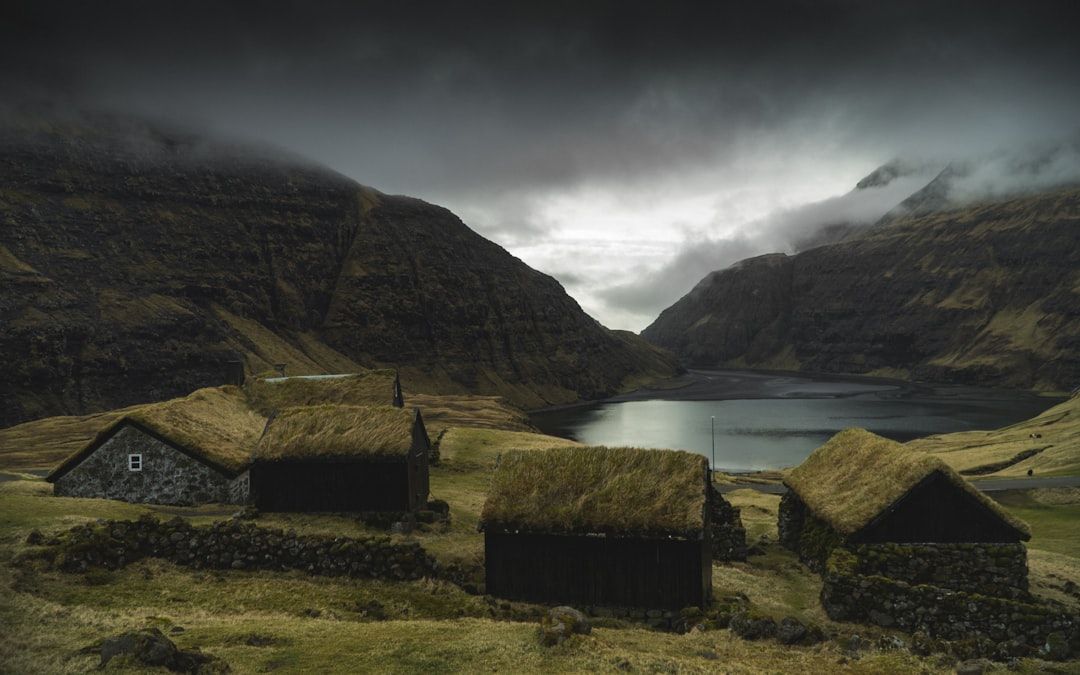
Eighteen islands in the North Atlantic where the weather makes the itinerary. Going slowly is not a preference here, it is the only thing that works.